Spring
GreatApr – May
Warm days, low rain and the island's cheapest room rates arrive before trails and beaches get busy.
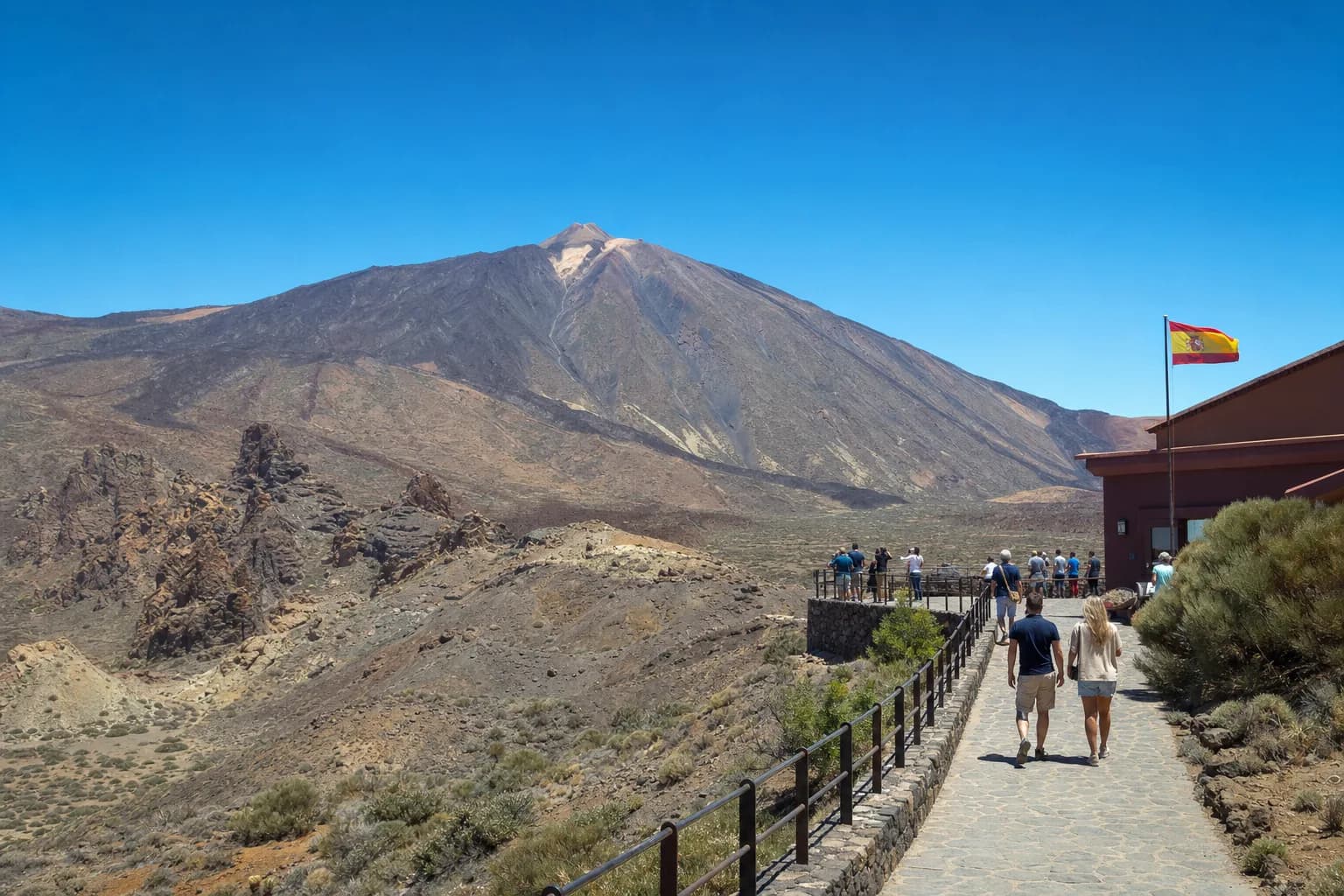
This Tenerife travel guide helps you choose the right coast, time your trip well and spend less on transport, food and major sights.
If you're thinking about Tenerife, we think the island's biggest strength is its variety. The south gives you easy beach days and resort comforts, while the north turns greener and more local around old towns, laurel forest and family-run guachinches.
Teide is the reason to make time for the interior: the cable car carries you high above the clouds, and the volcanic landscape feels like a different country from the coast. Add Anaga's ancient laurel forest and you have a trip with real range without spending hours crossing the island.
This hub brings together what to know before going to Tenerife and how to save money while still getting the most out of the trip.
Good to know
Weather, prices, crowds and the events worth travelling for.
Spring
GreatApr – May
Summer
GoodJun – Aug
Autumn
GreatSep – Oct
Winter
GoodNov – Mar
 Valencia Travel Guide & Money-Saving TipsOpen hub →
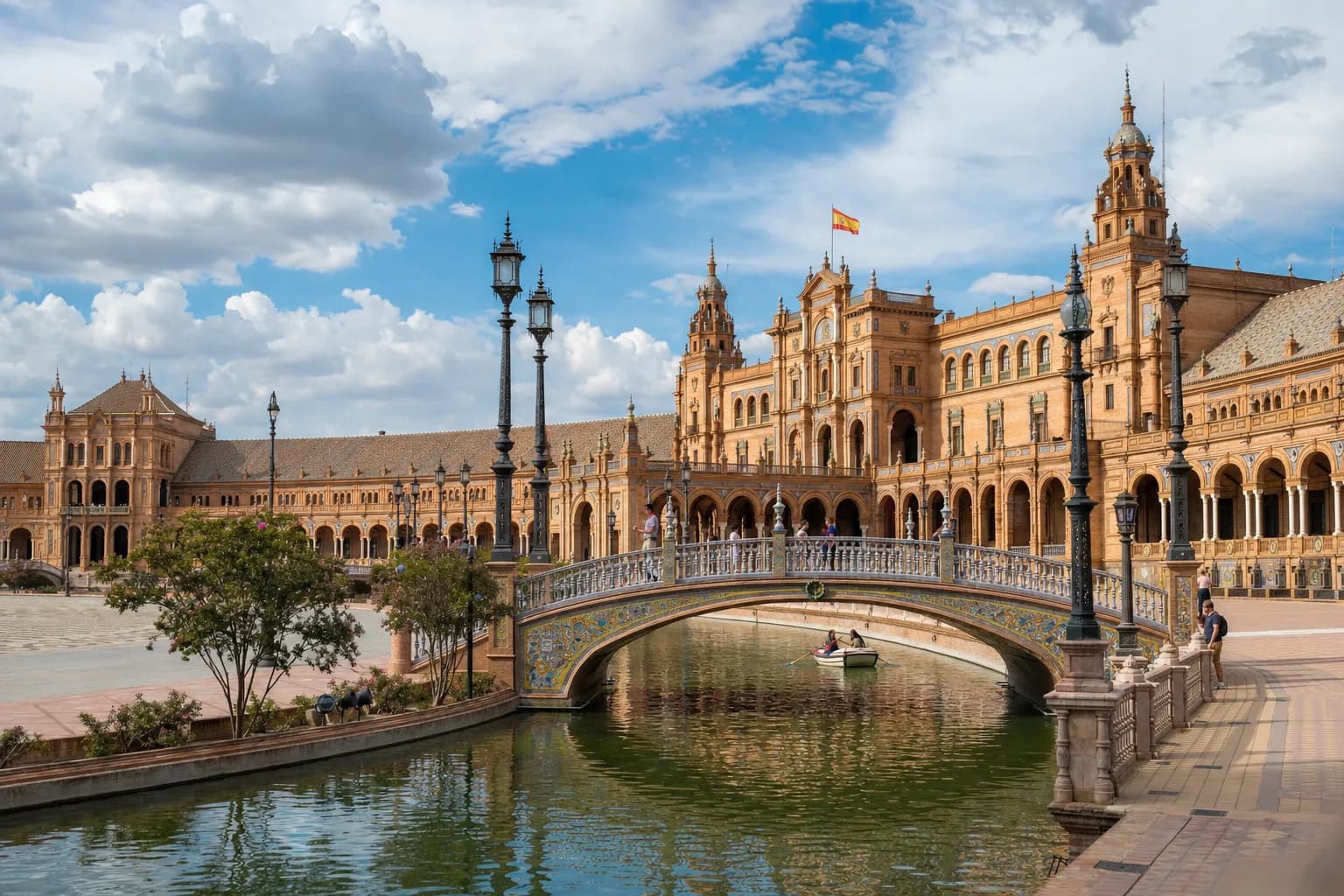 Seville Travel Guide & Money-Saving TipsOpen hub →
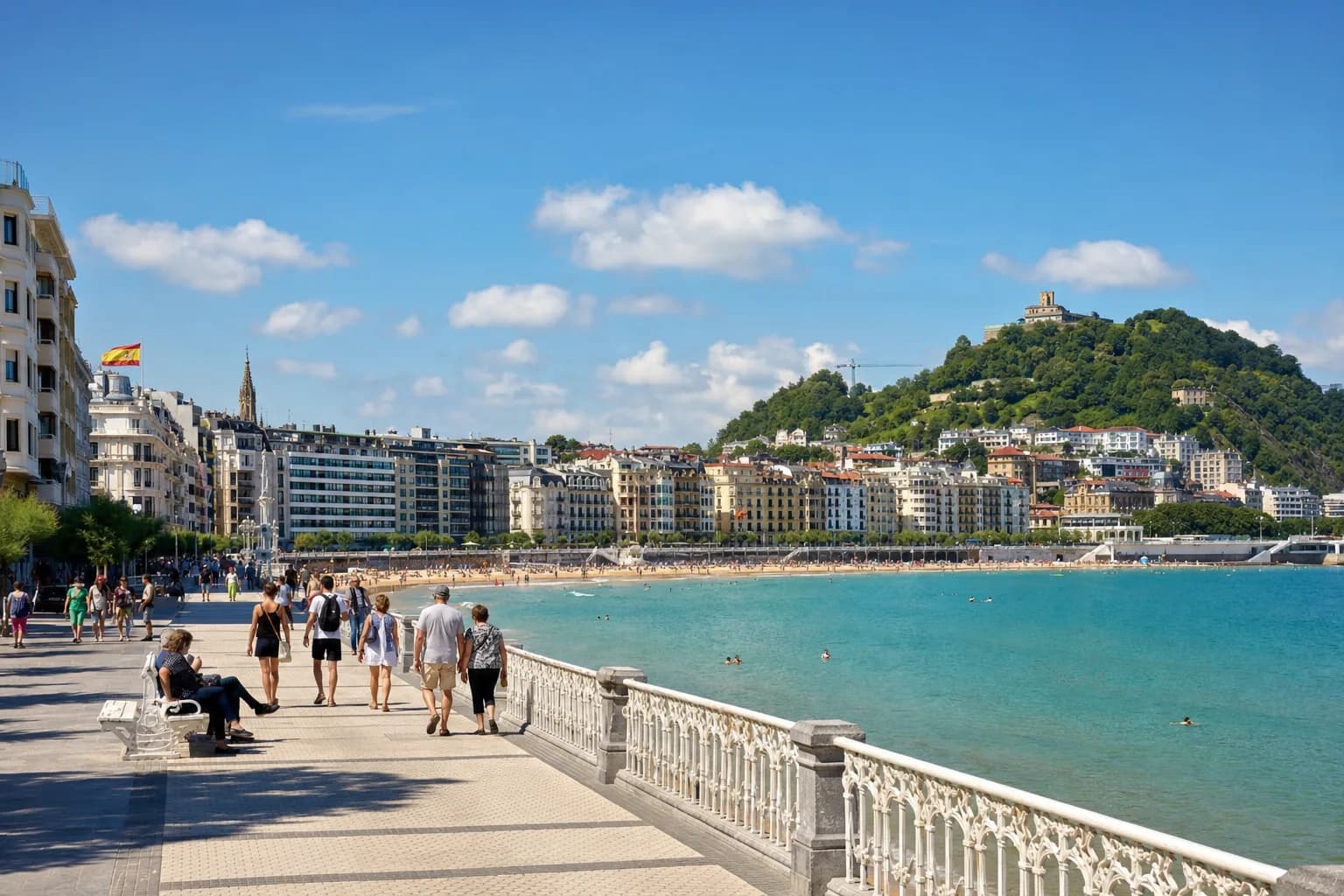 San Sebastian Travel Guide & Money-Saving TipsOpen hub →
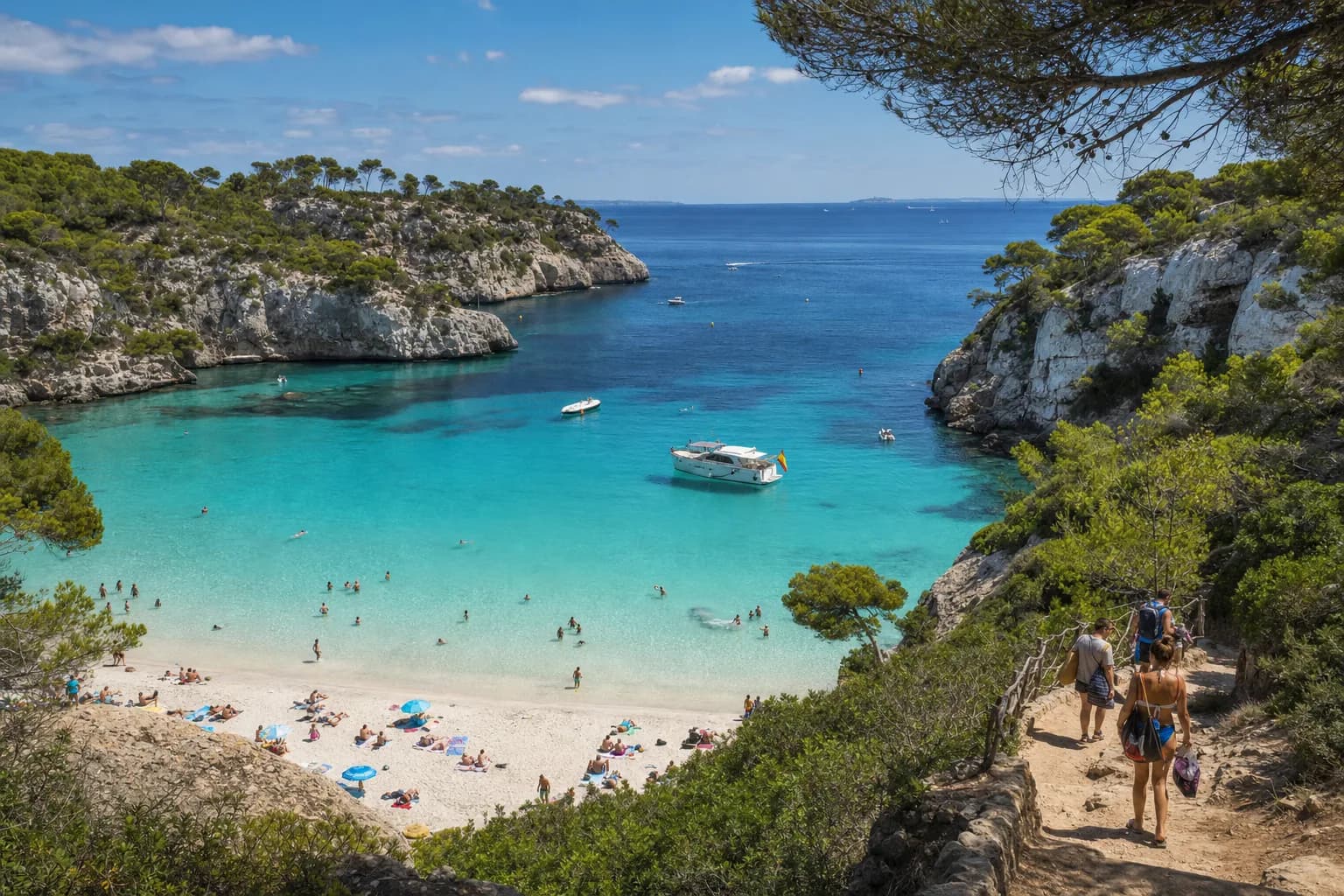 Menorca Travel Guide & Money-Saving TipsOpen hub →
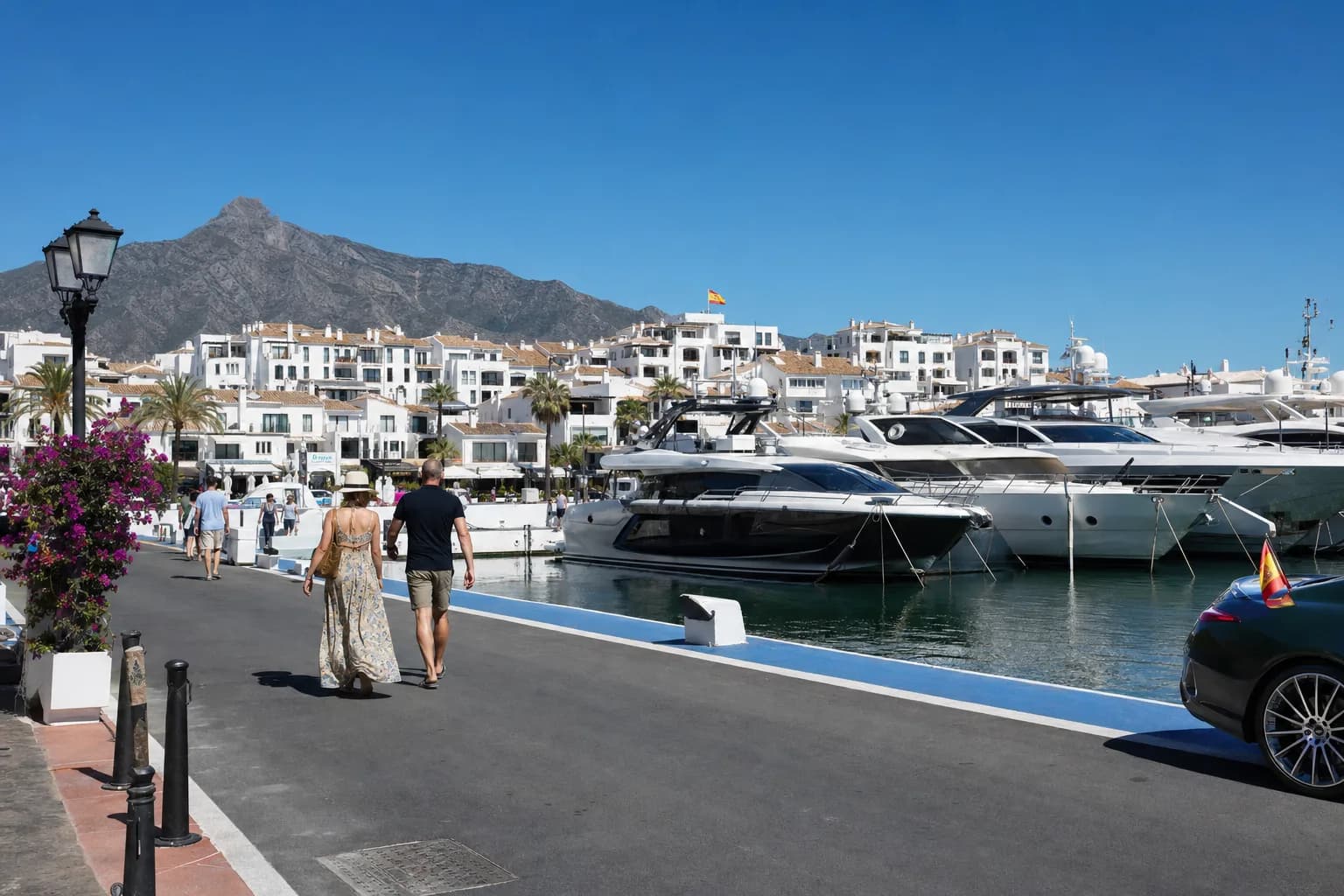 Marbella Travel Guide & Money-Saving TipsOpen hub →
 Costa del Sol Travel Guide & Money-Saving TipsOpen hub →
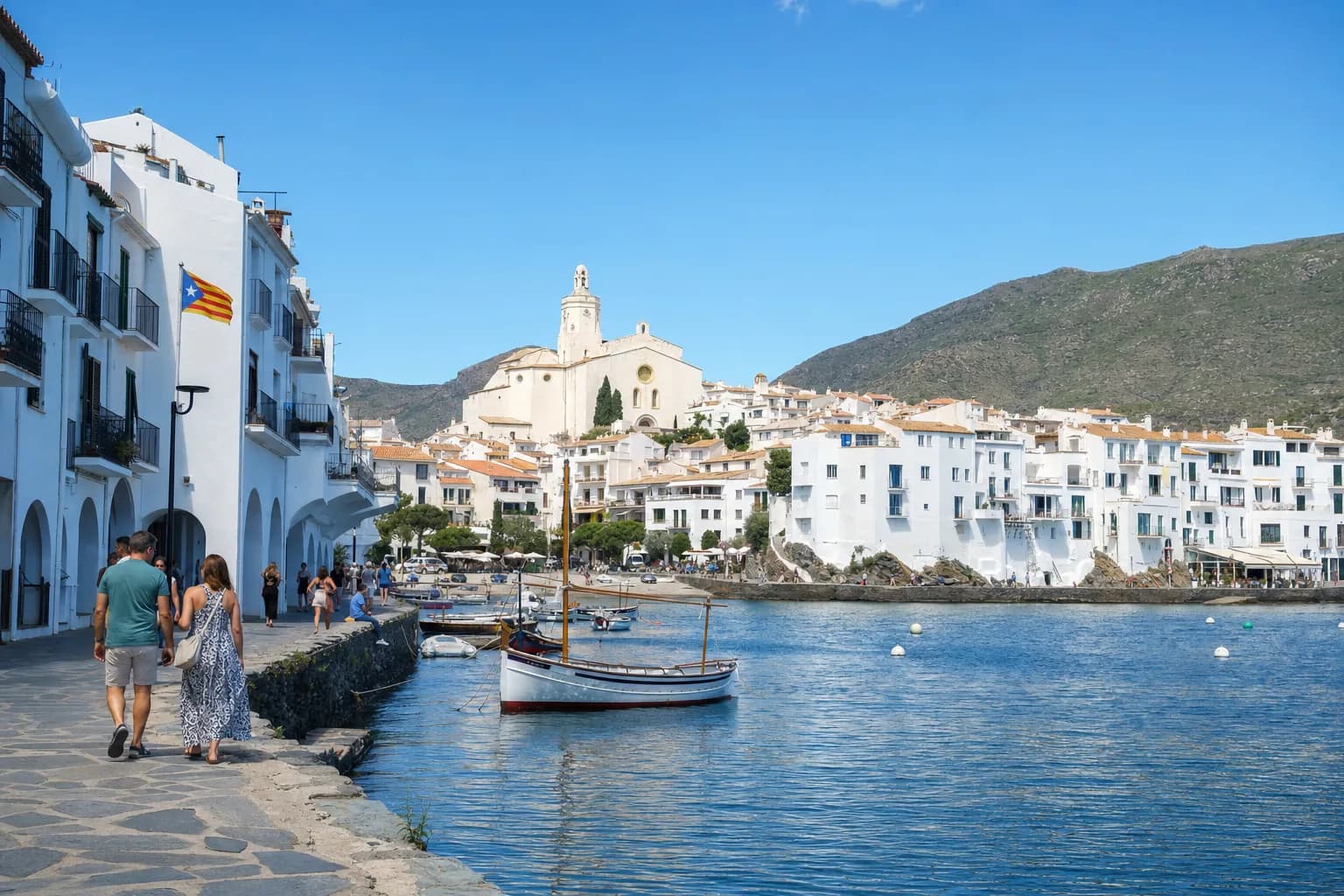 Costa Brava Travel Guide & Money-Saving TipsOpen hub →
 Bilbao Travel Guide & Money-Saving TipsOpen hub →
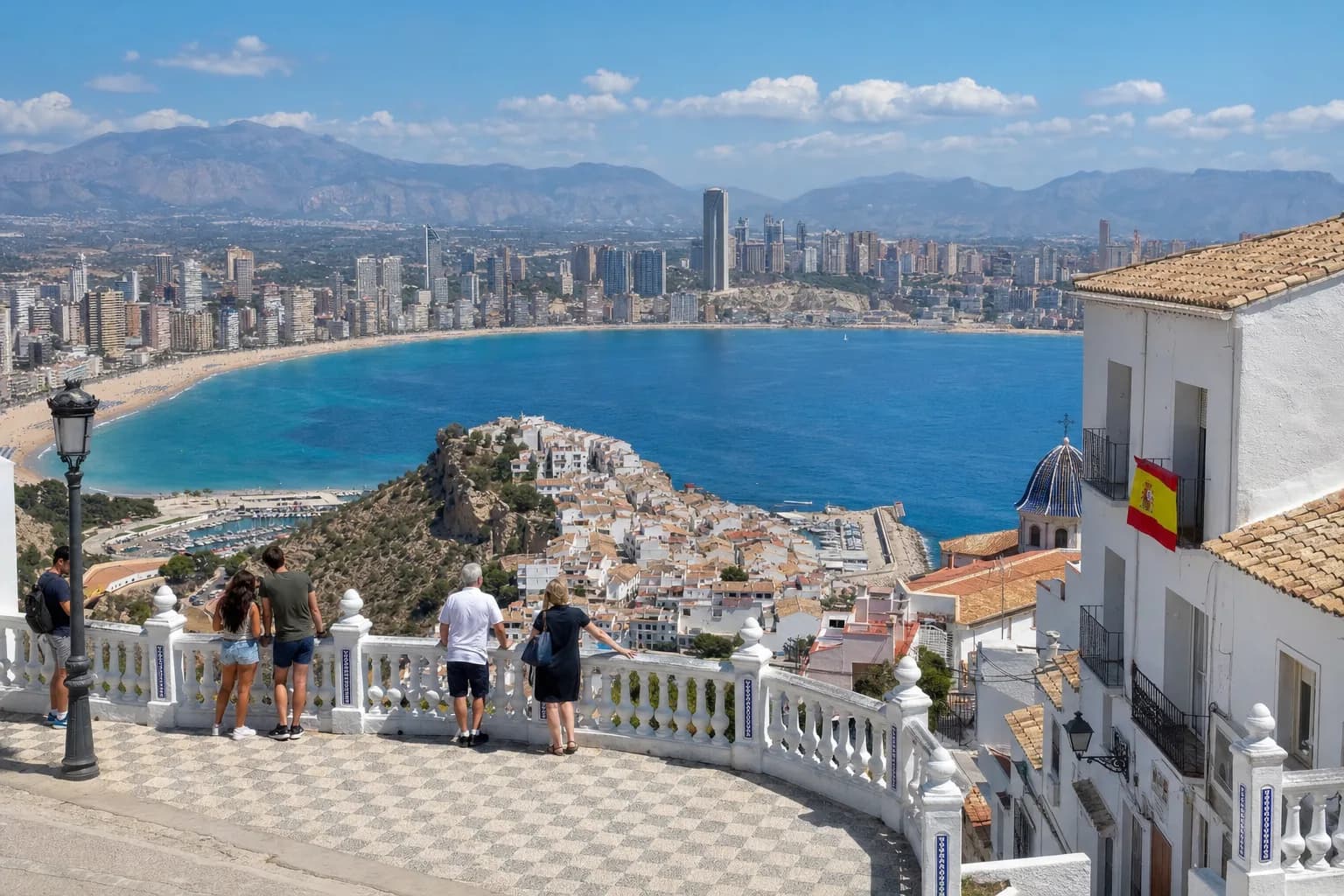 Benidorm Travel Guide & Money-Saving TipsOpen hub →
 Barcelona Travel Guide & Money-Saving TipsOpen hub →
 United KingdomOpen hub →
 Thailand Travel Guide: Where to Go & How to SaveOpen hub →
 Spain Travel Guide: Where to Go & How to SaveOpen hub →
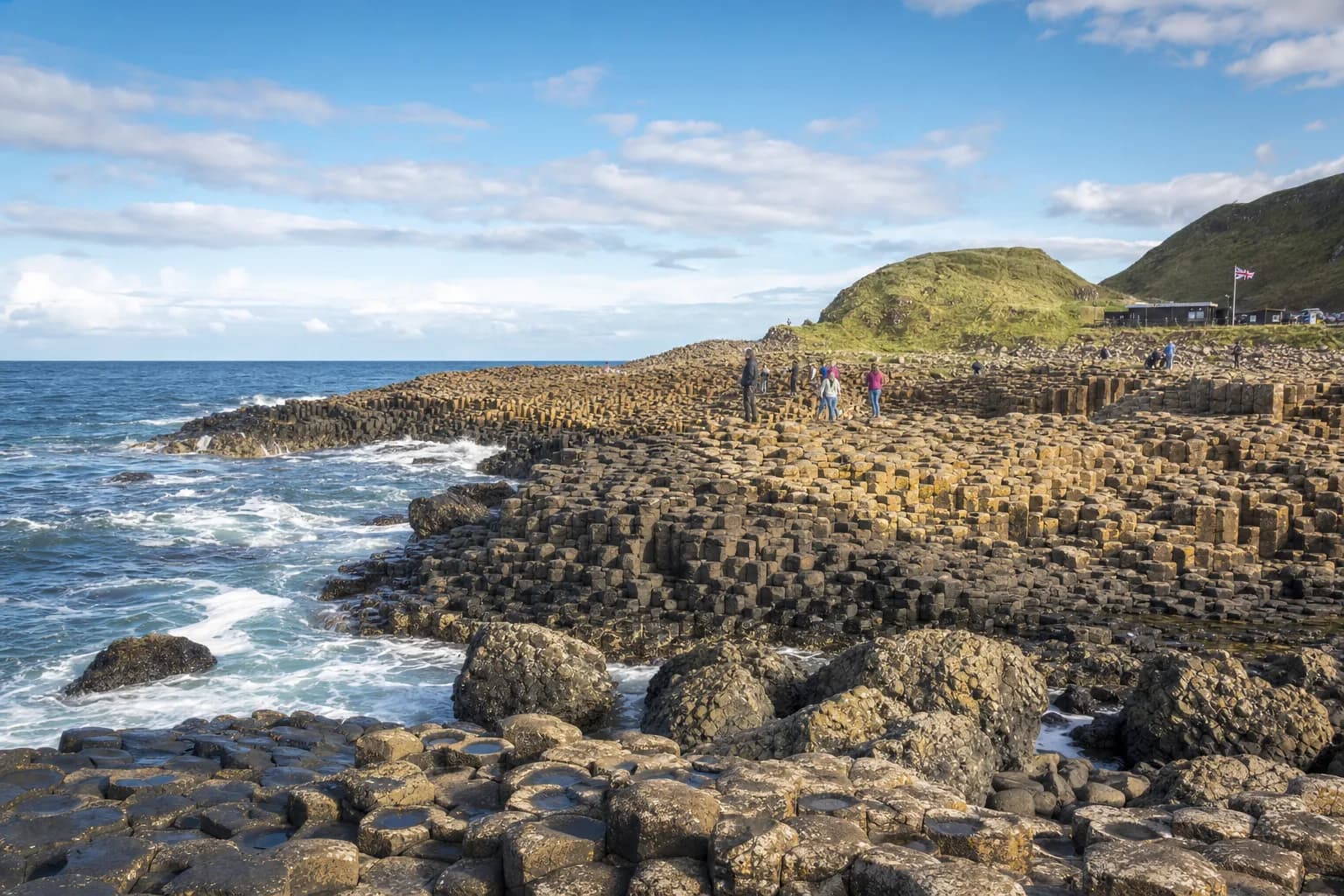 Northern Ireland Travel Guide: Where to Go & How to SaveOpen hub →