Spring
GreatApr – May
Mild days and a cool sea bring low prices and quiet paths, with a brief Easter rise in visitors.
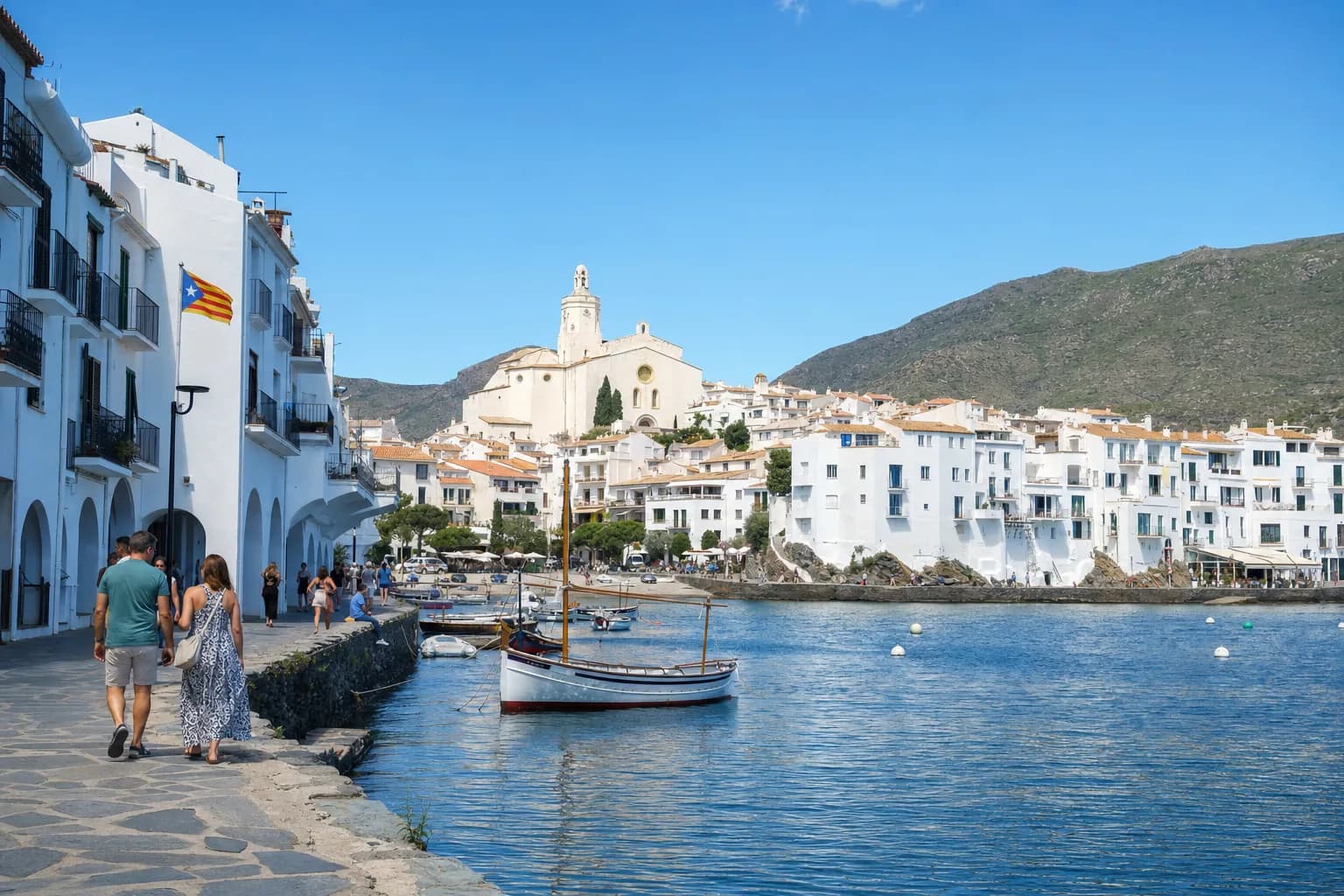
Costa Brava's pine-backed coves, Dalí sites and seafood coast, with practical ways to save money and choose the right season.
If you like a coastline with some character, Costa Brava is an easy recommendation. The road runs past pine-covered cliffs, fishing towns and little calas where the water feels far removed from the bigger resorts.
The Camí de Ronda is the reason we would return: its stone paths link cove to cove, with the Llafranc–Tamariu stretch particularly good. Add Dalí's former home at Portlligat and you have a trip with plenty to do between swims.
This hub brings together what to know before visiting Costa Brava, plus ways to save money while getting more from the trip.
Good to know
Weather, prices, crowds and the events worth travelling for.
Spring
GreatApr – May
Summer
GoodJun – Aug
Autumn
GreatSep – Oct
Winter
GoodNov – Feb
 Valencia Travel Guide & Money-Saving TipsOpen hub →
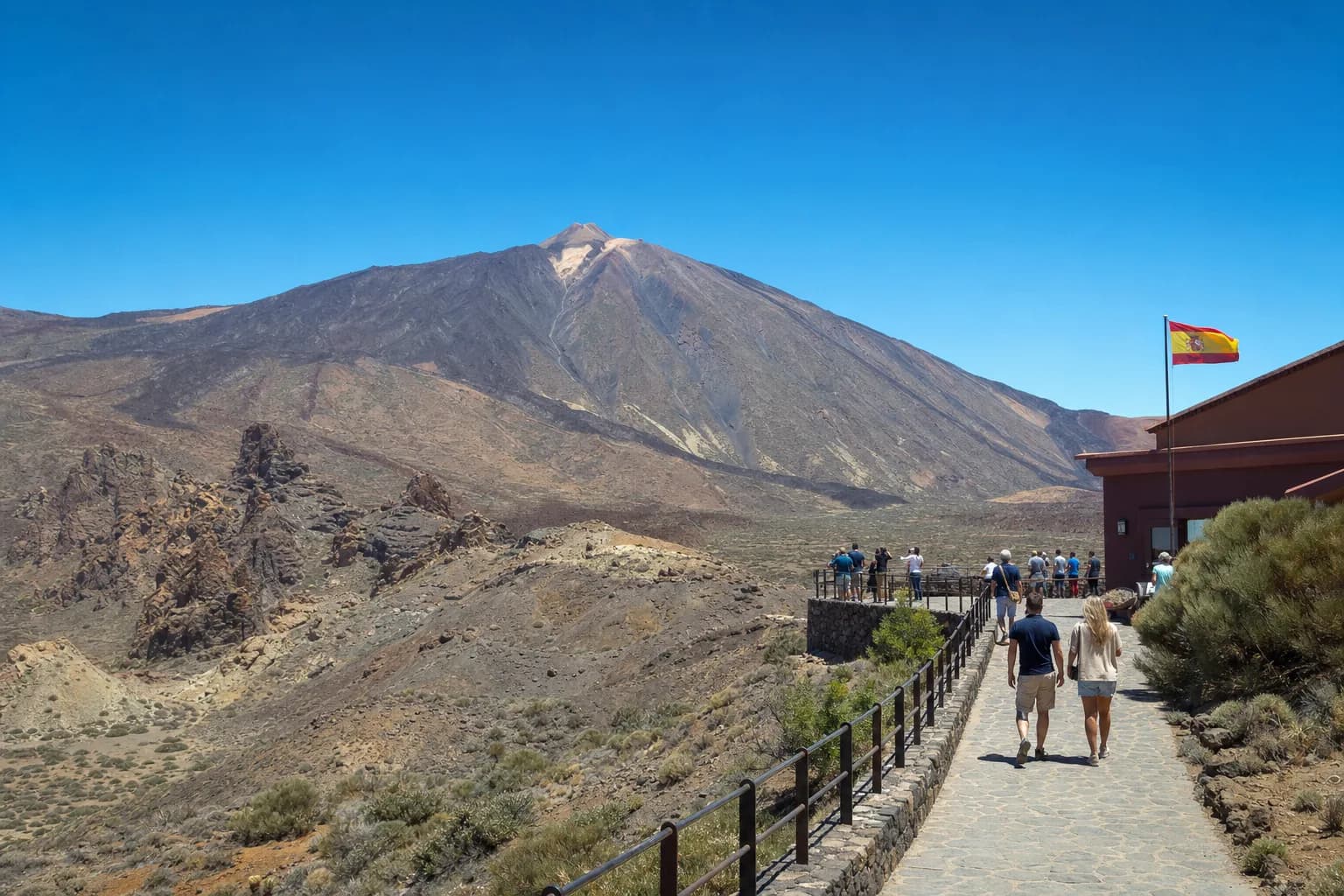 Tenerife Travel Guide & Money-Saving TipsOpen hub →
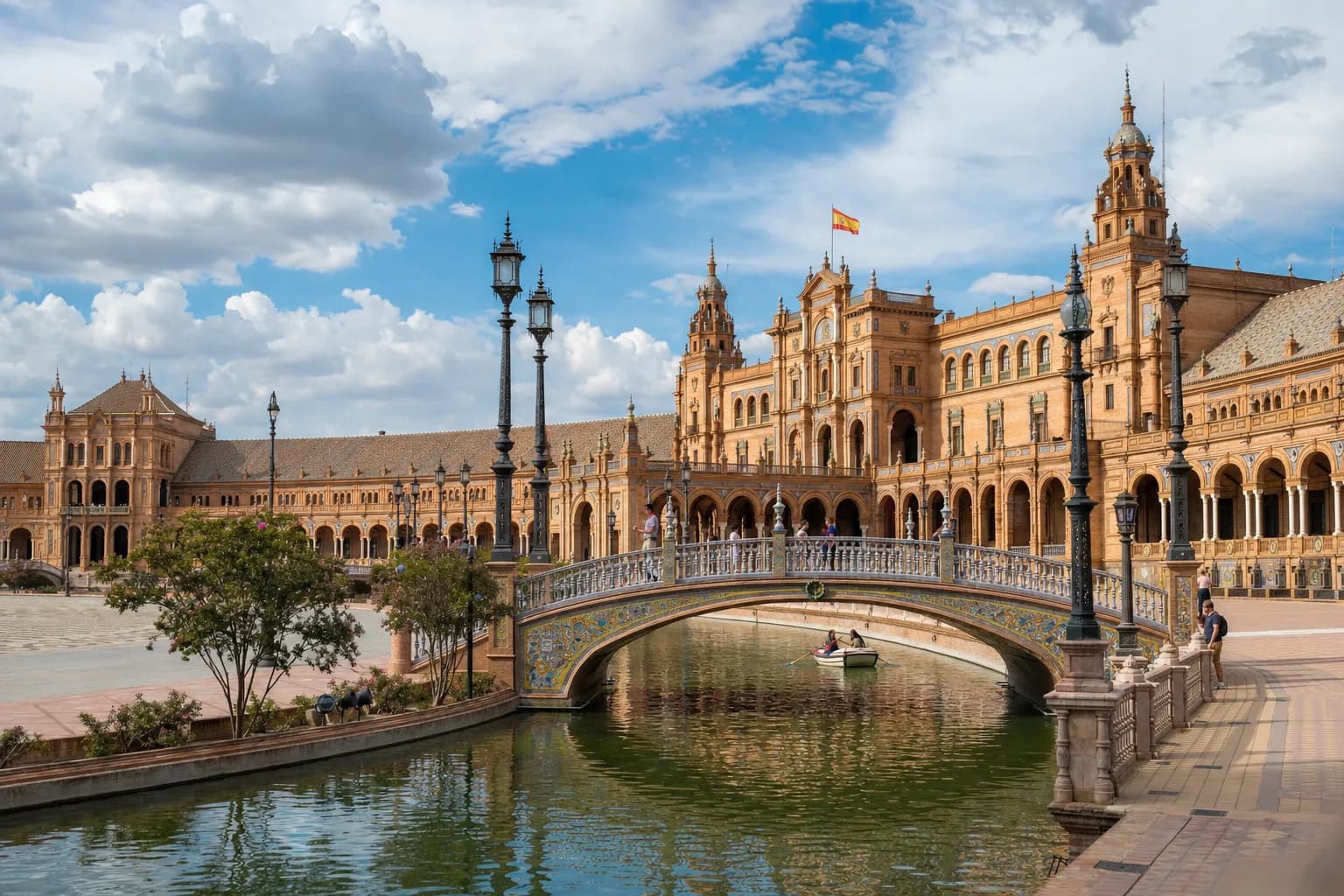 Seville Travel Guide & Money-Saving TipsOpen hub →
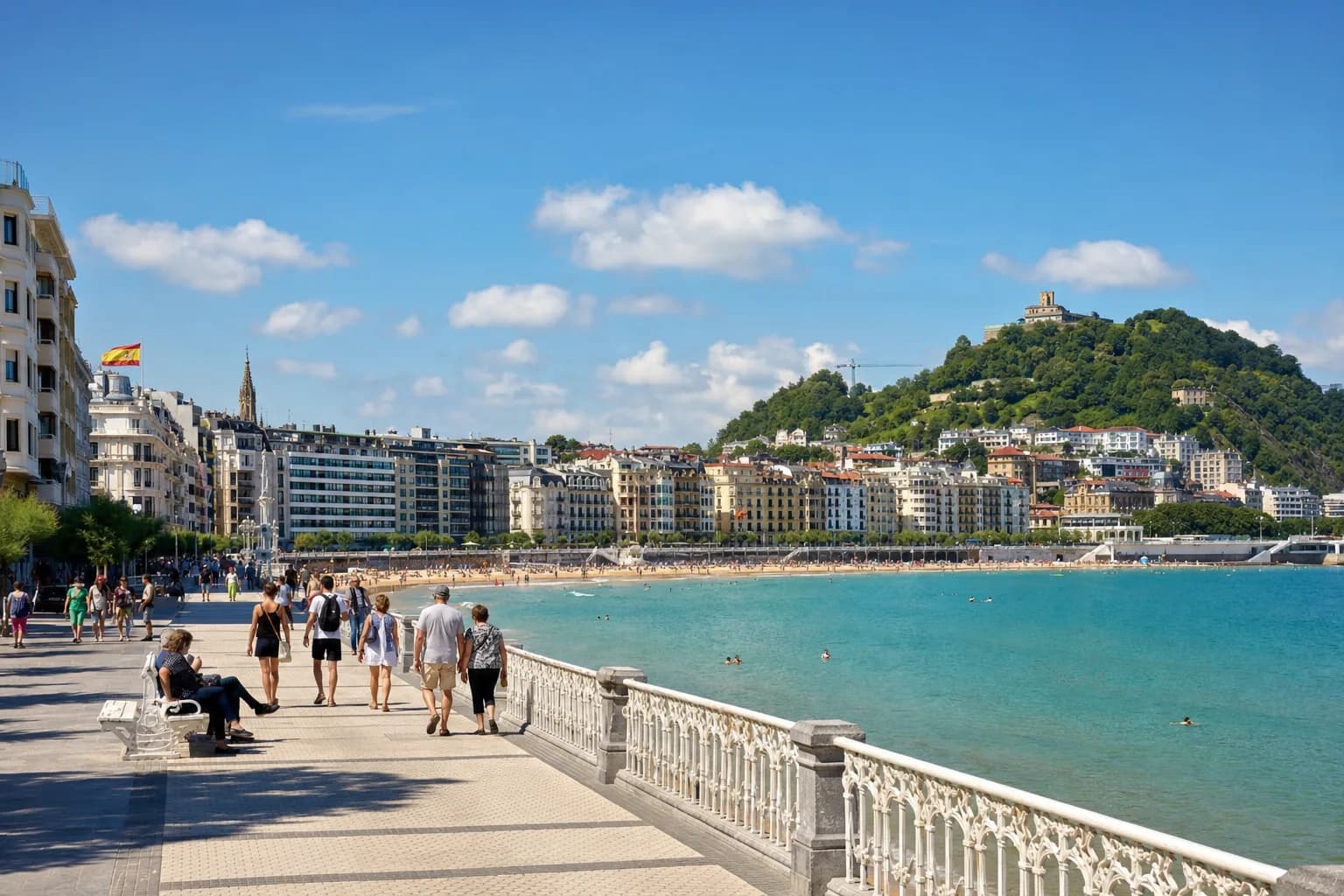 San Sebastian Travel Guide & Money-Saving TipsOpen hub →
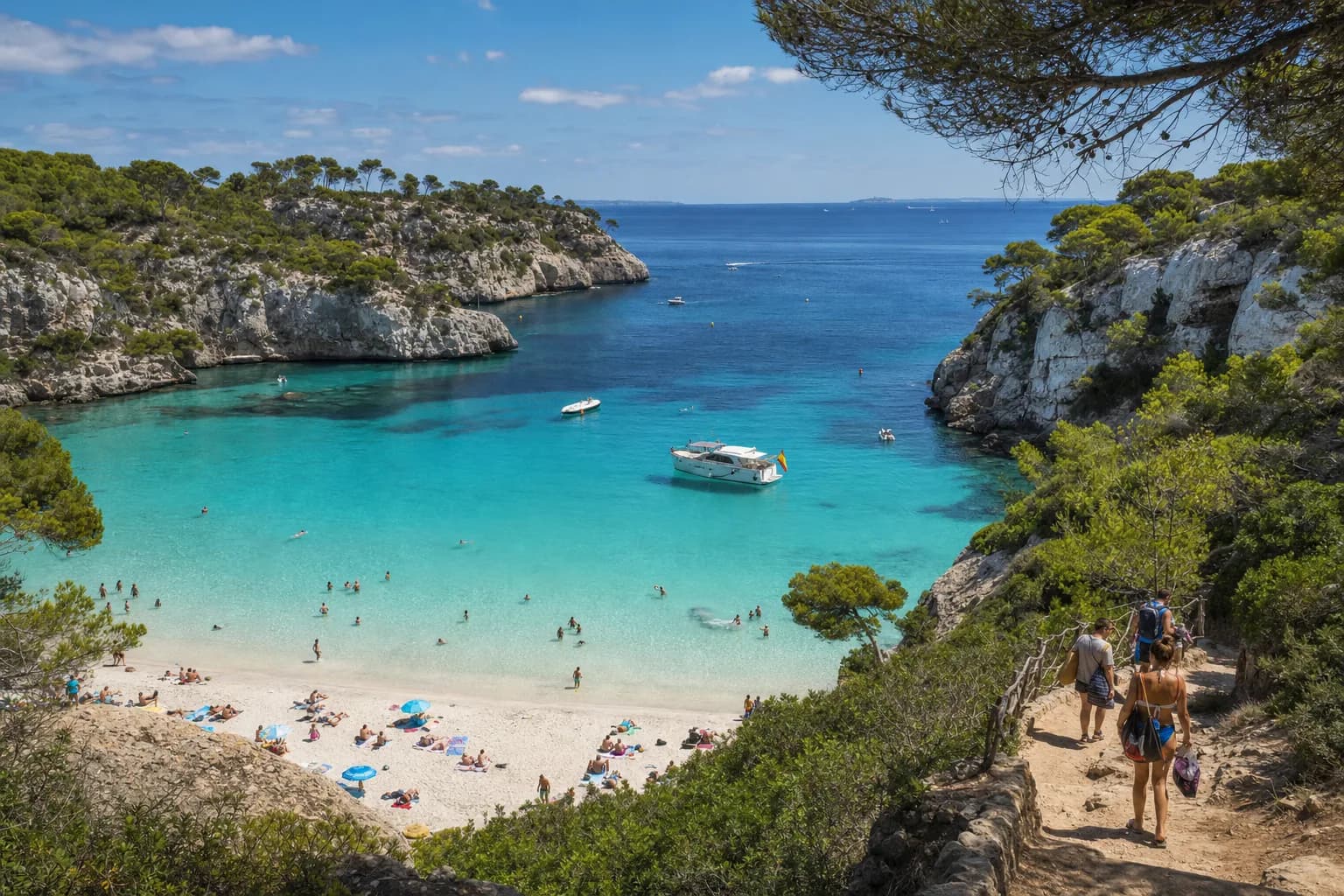 Menorca Travel Guide & Money-Saving TipsOpen hub →
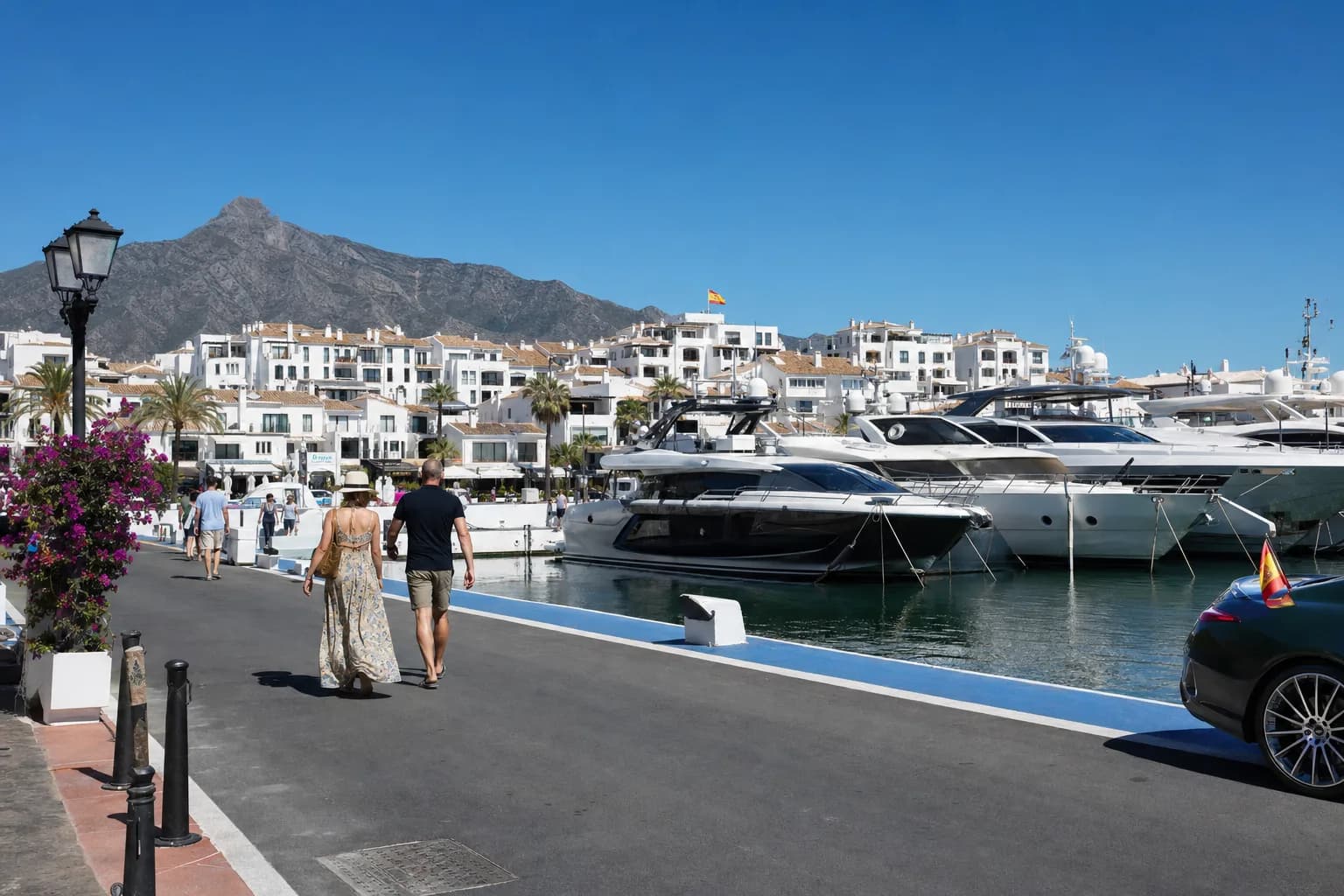 Marbella Travel Guide & Money-Saving TipsOpen hub →
 Costa del Sol Travel Guide & Money-Saving TipsOpen hub →
 Bilbao Travel Guide & Money-Saving TipsOpen hub →
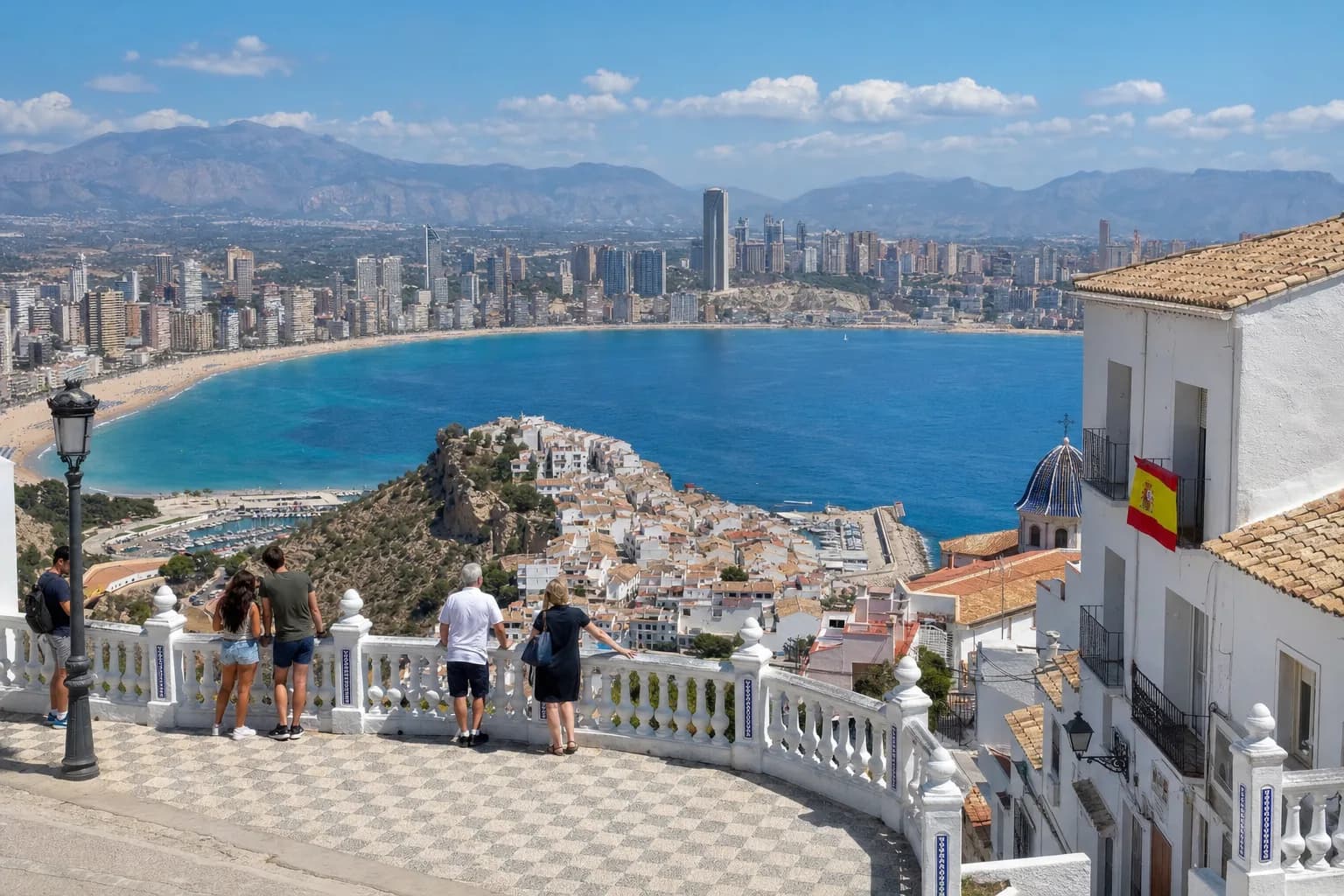 Benidorm Travel Guide & Money-Saving TipsOpen hub →
 Barcelona Travel Guide & Money-Saving TipsOpen hub →
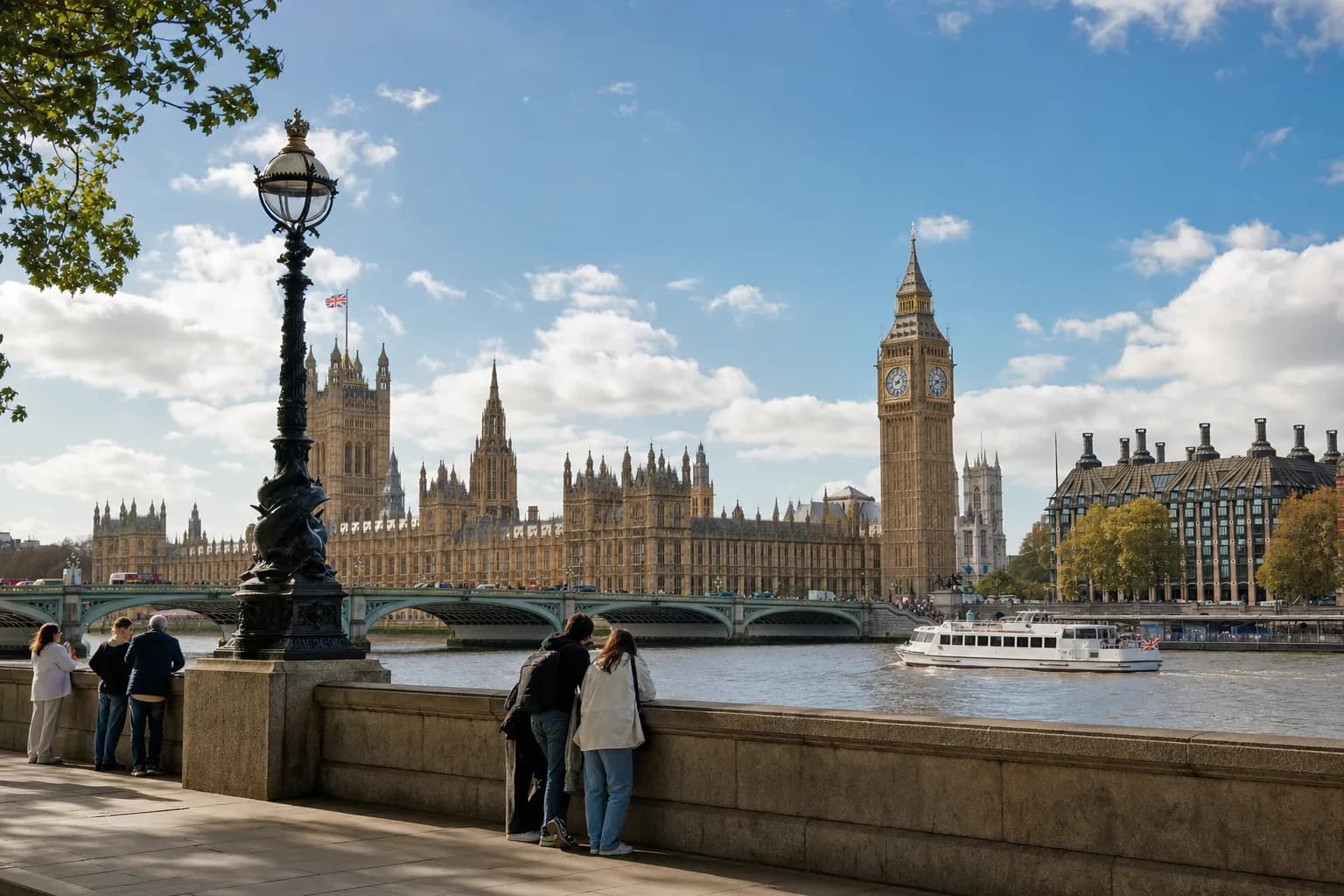 United KingdomOpen hub →
 Thailand Travel Guide: Where to Go & How to SaveOpen hub →
 Spain Travel Guide: Where to Go & How to SaveOpen hub →
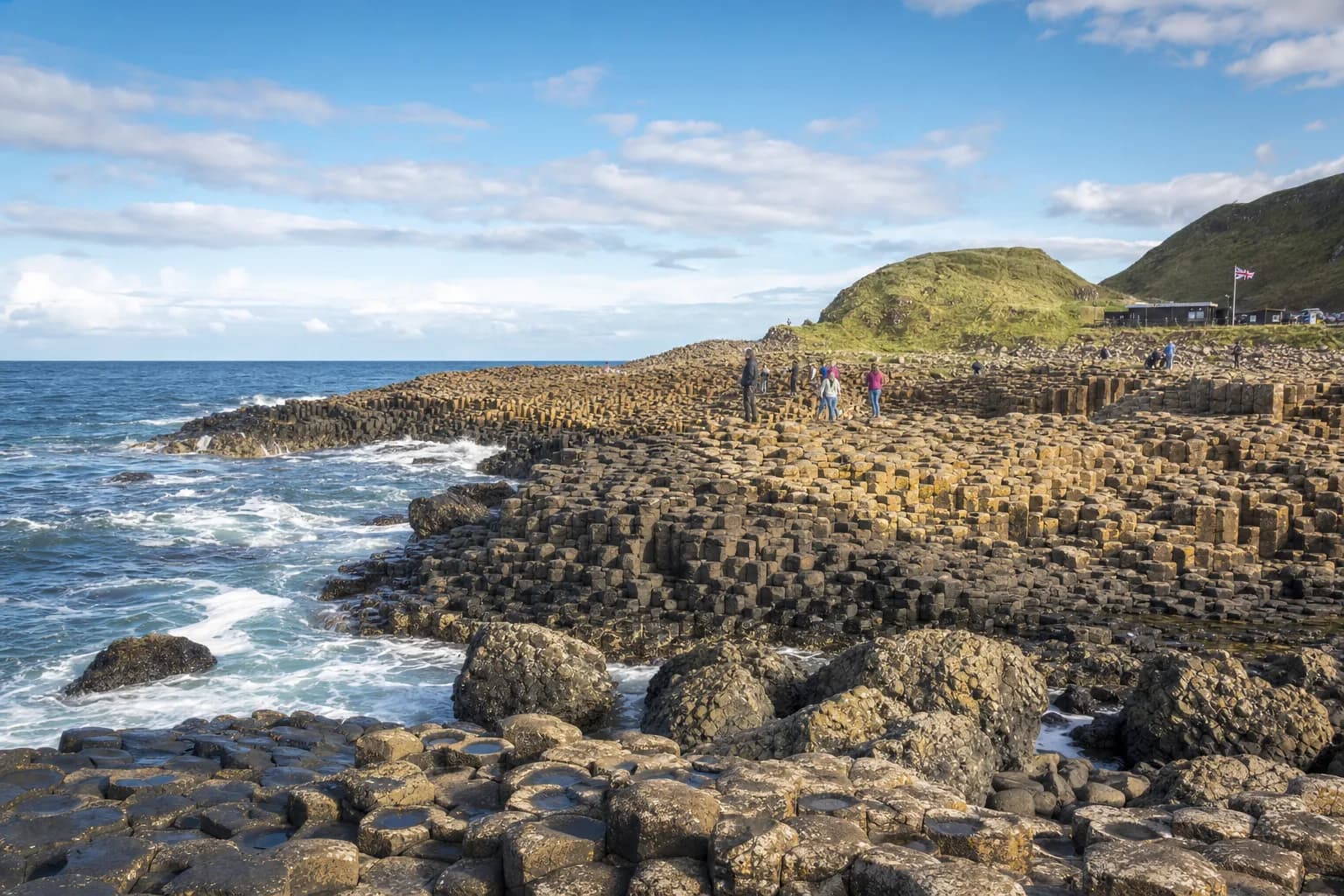 Northern Ireland Travel Guide: Where to Go & How to SaveOpen hub →