Spring
GreatApr – May
Mild days of 18–22°C, low prices, wildflowers and largely empty coves; the sea remains brisk.
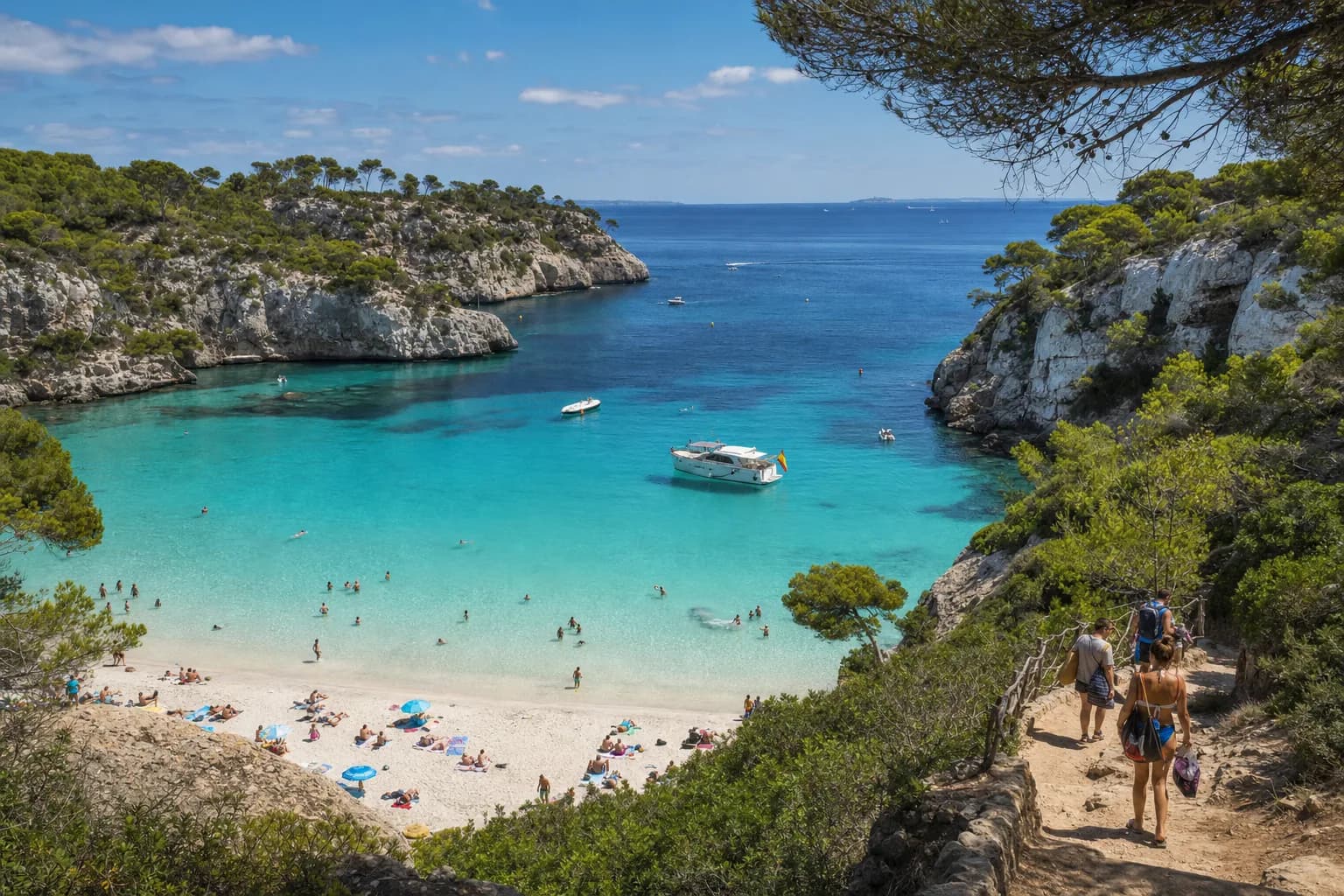
Plan a calmer Balearic escape with Menorca's clear-water coves, coastal walks and practical ways to spend less in peak season.
Menorca is the island we recommend when you want clear water, pine shade and enough space to hear the sea. The twin coves of Cala Macarella and Macarelleta are the postcard favourites, but their beauty feels better when you reach them before the busiest part of the day.
The Camí de Cavalls gives the island its best sense of scale. Follow a coastal section on foot, stop for a swim and let the path lead you between rough headlands, small beaches and quiet stretches of coast. Menorca rewards wandering more than rushing.
This hub brings together what to know before going to Menorca and how to save money while still getting the most out of the trip.
Good to know
Weather, prices, crowds and the events worth travelling for.
Spring
GreatApr – May
Summer
GoodJun – Aug
Autumn
GreatSep – Oct
Winter
GoodNov – Feb
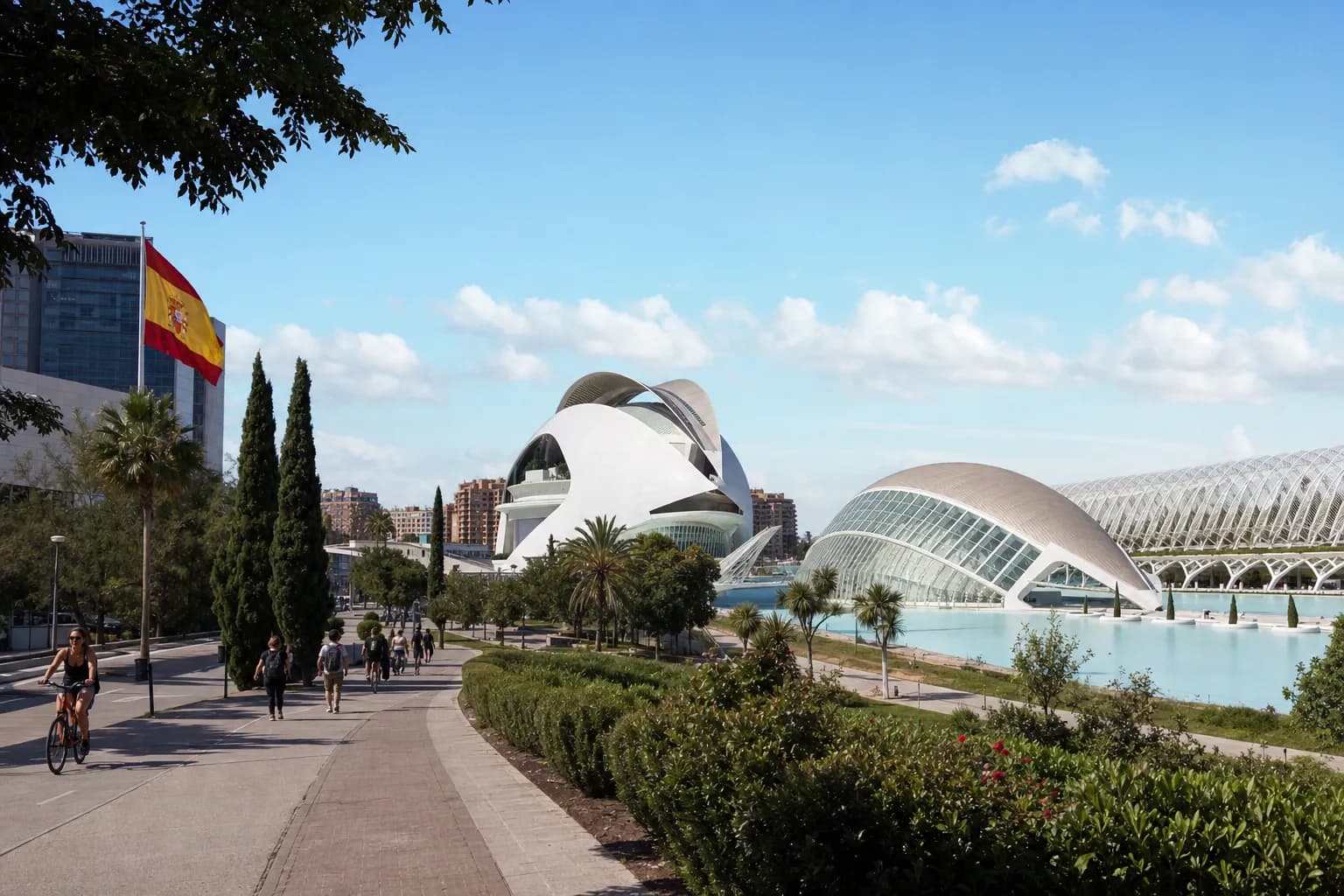 Valencia Travel Guide & Money-Saving TipsOpen hub →
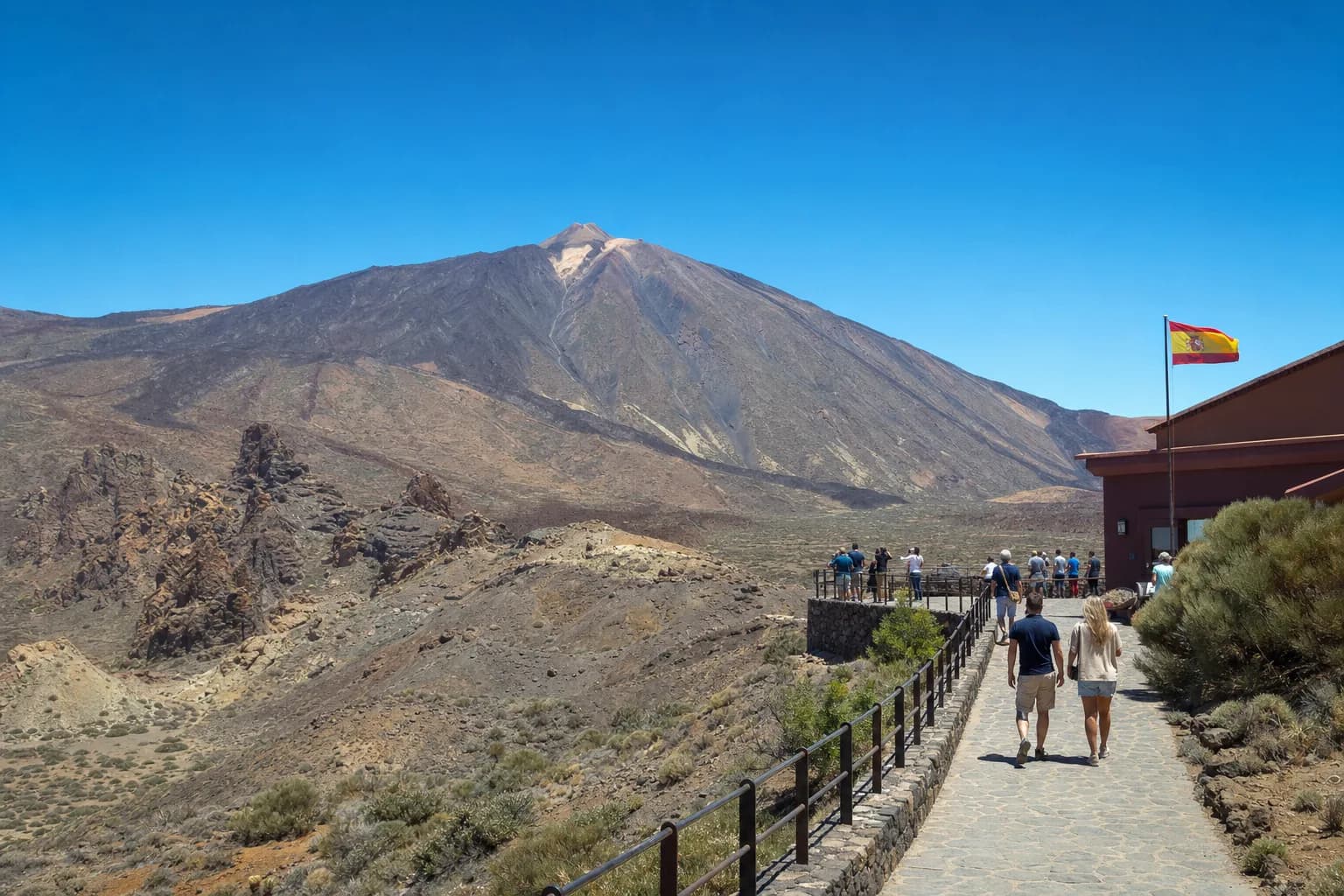 Tenerife Travel Guide & Money-Saving TipsOpen hub →
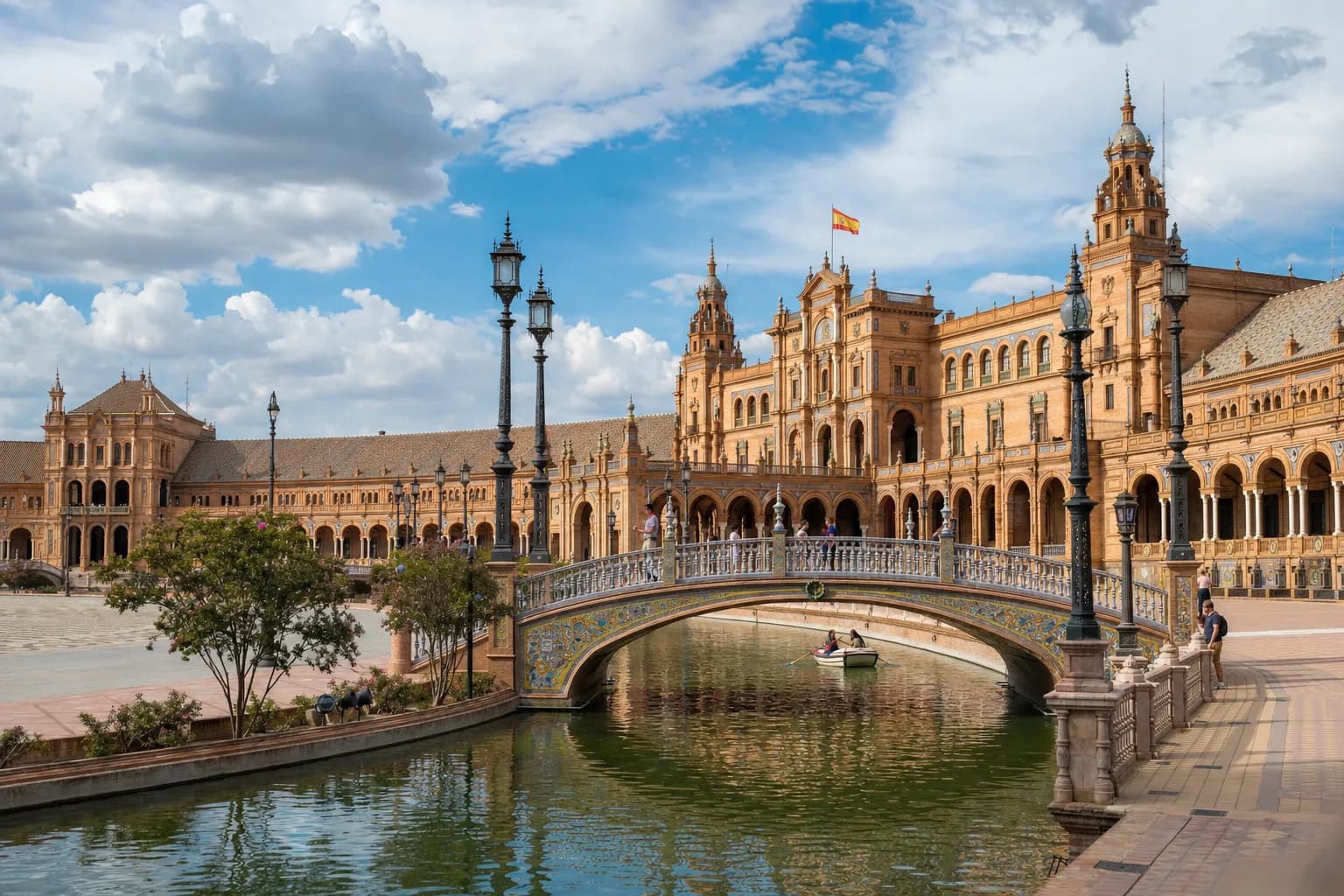 Seville Travel Guide & Money-Saving TipsOpen hub →
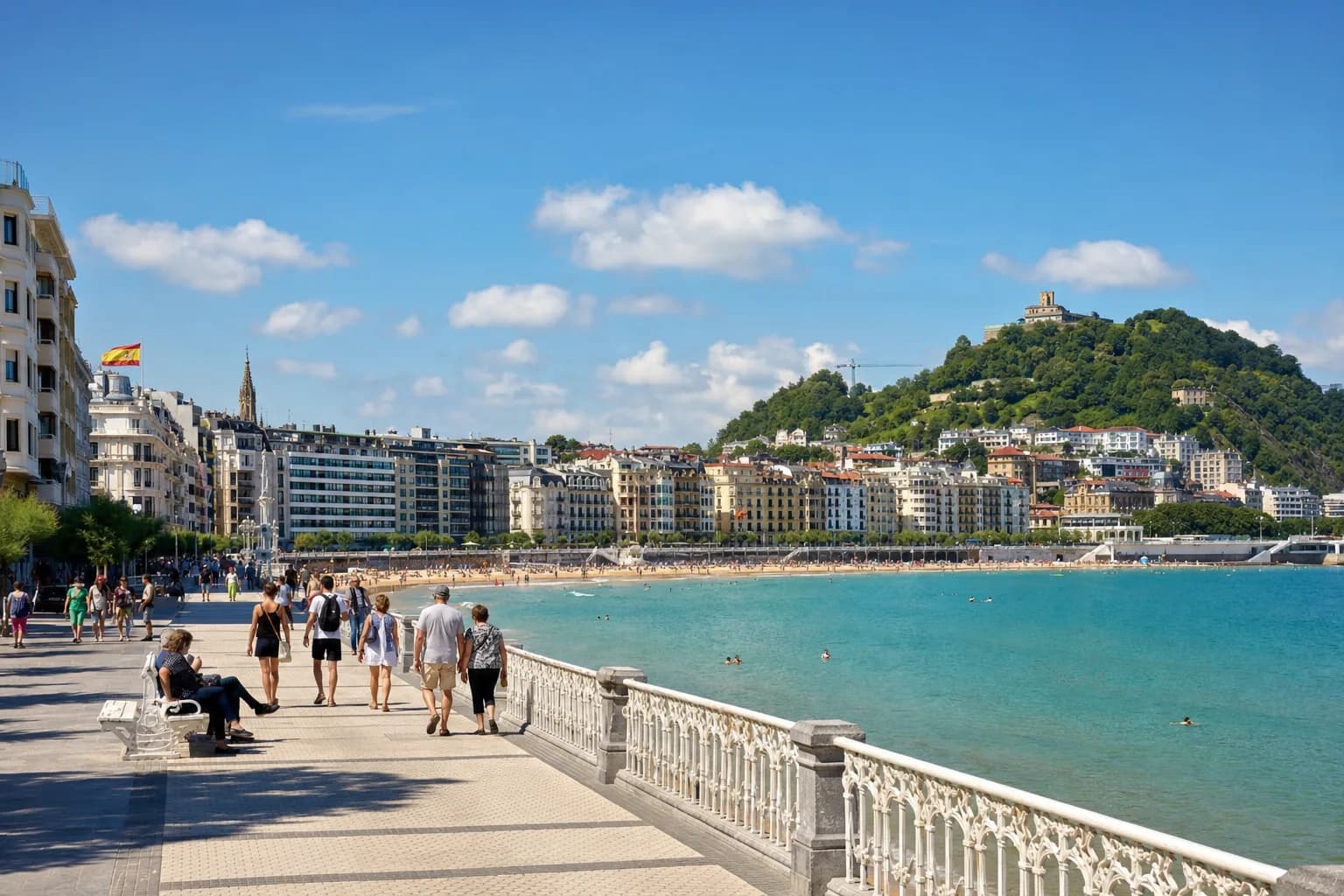 San Sebastian Travel Guide & Money-Saving TipsOpen hub →
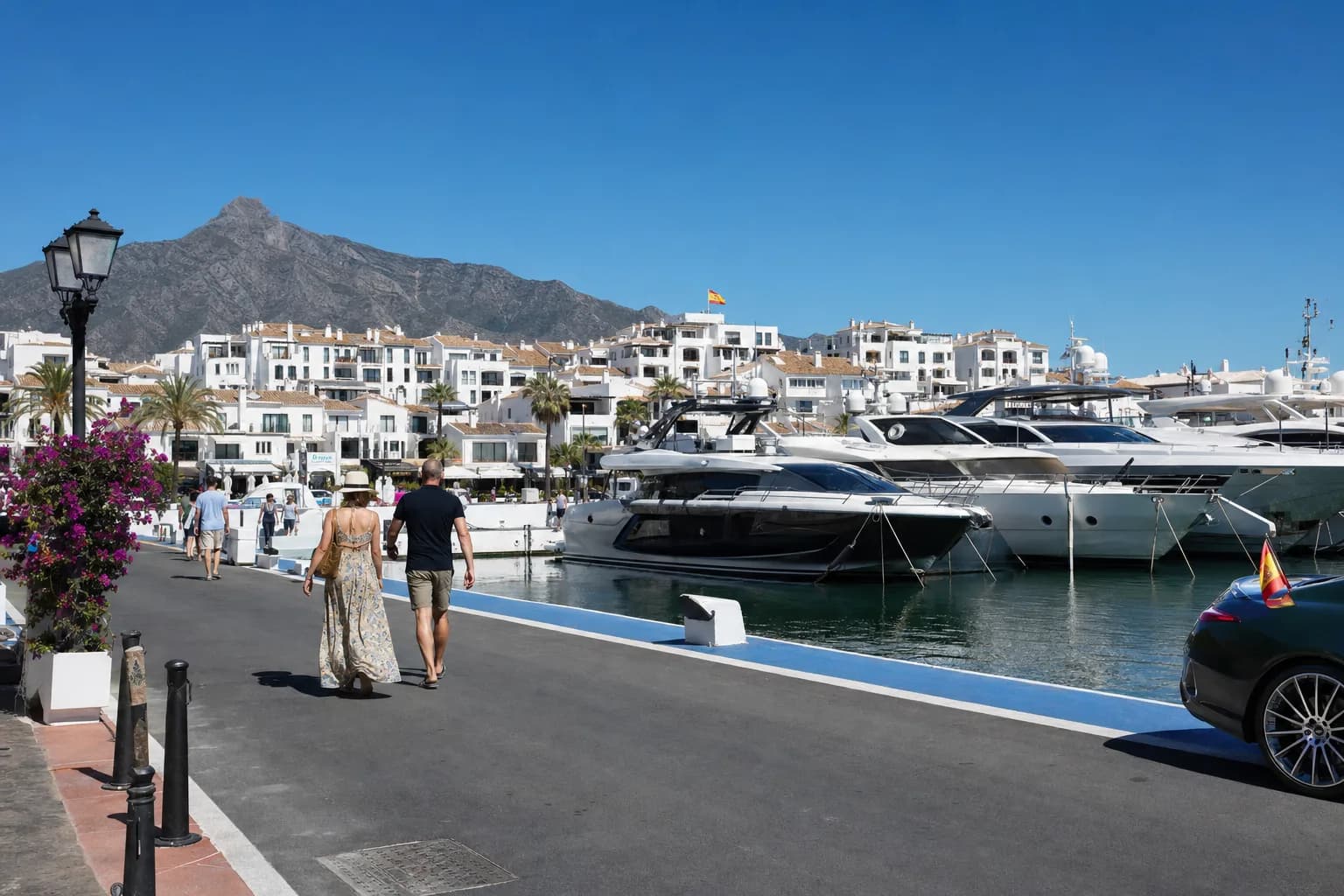 Marbella Travel Guide & Money-Saving TipsOpen hub →
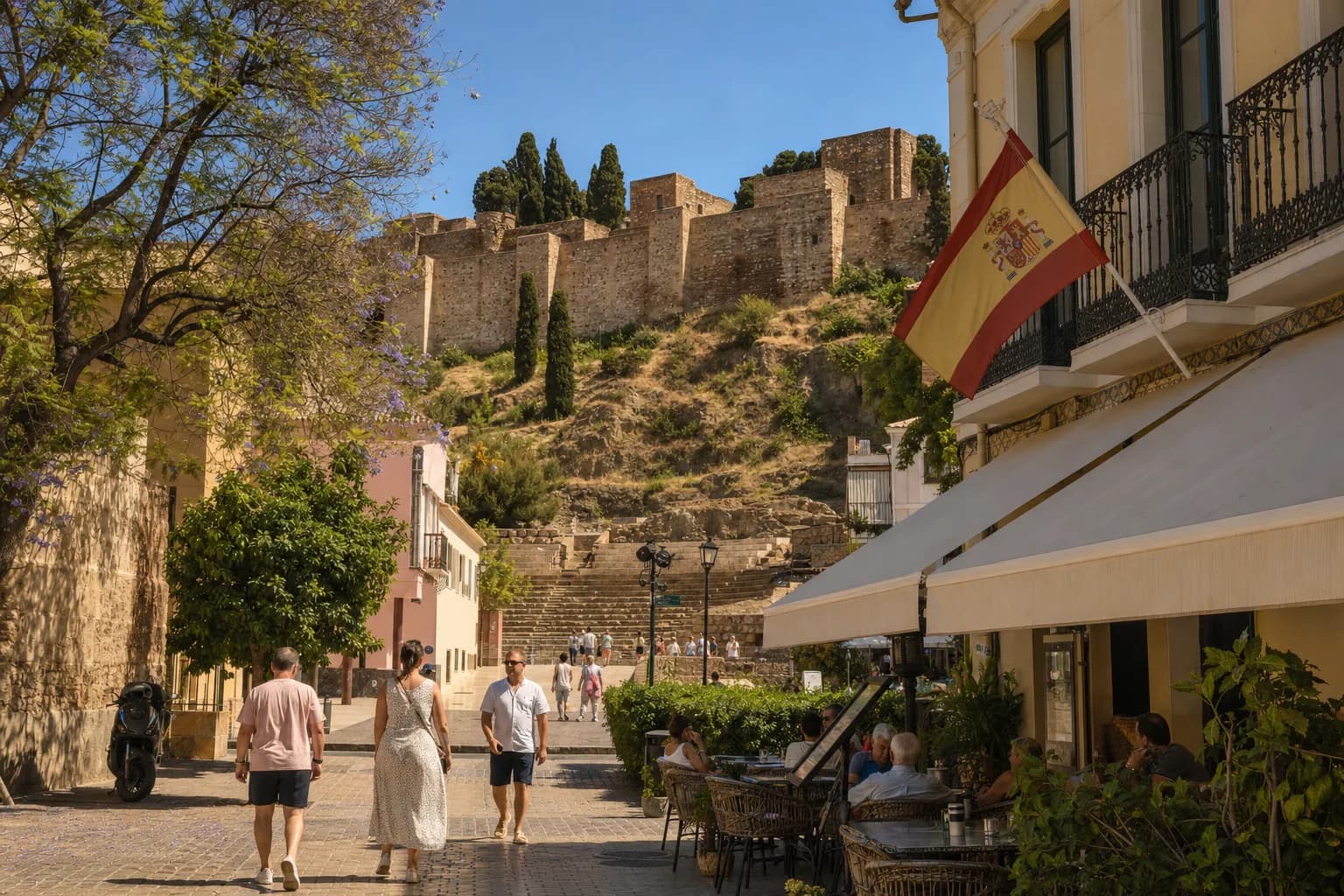 Costa del Sol Travel Guide & Money-Saving TipsOpen hub →
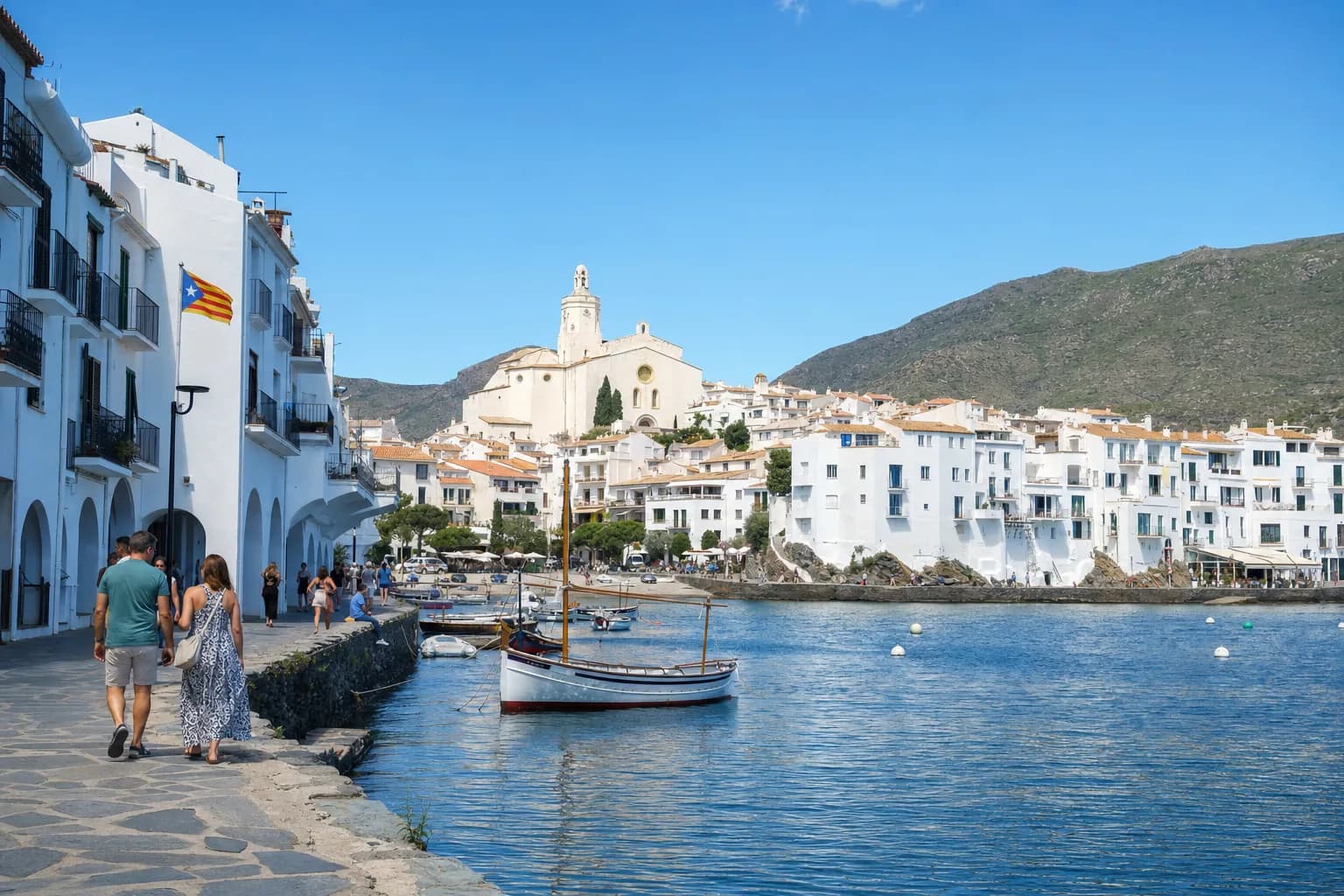 Costa Brava Travel Guide & Money-Saving TipsOpen hub →
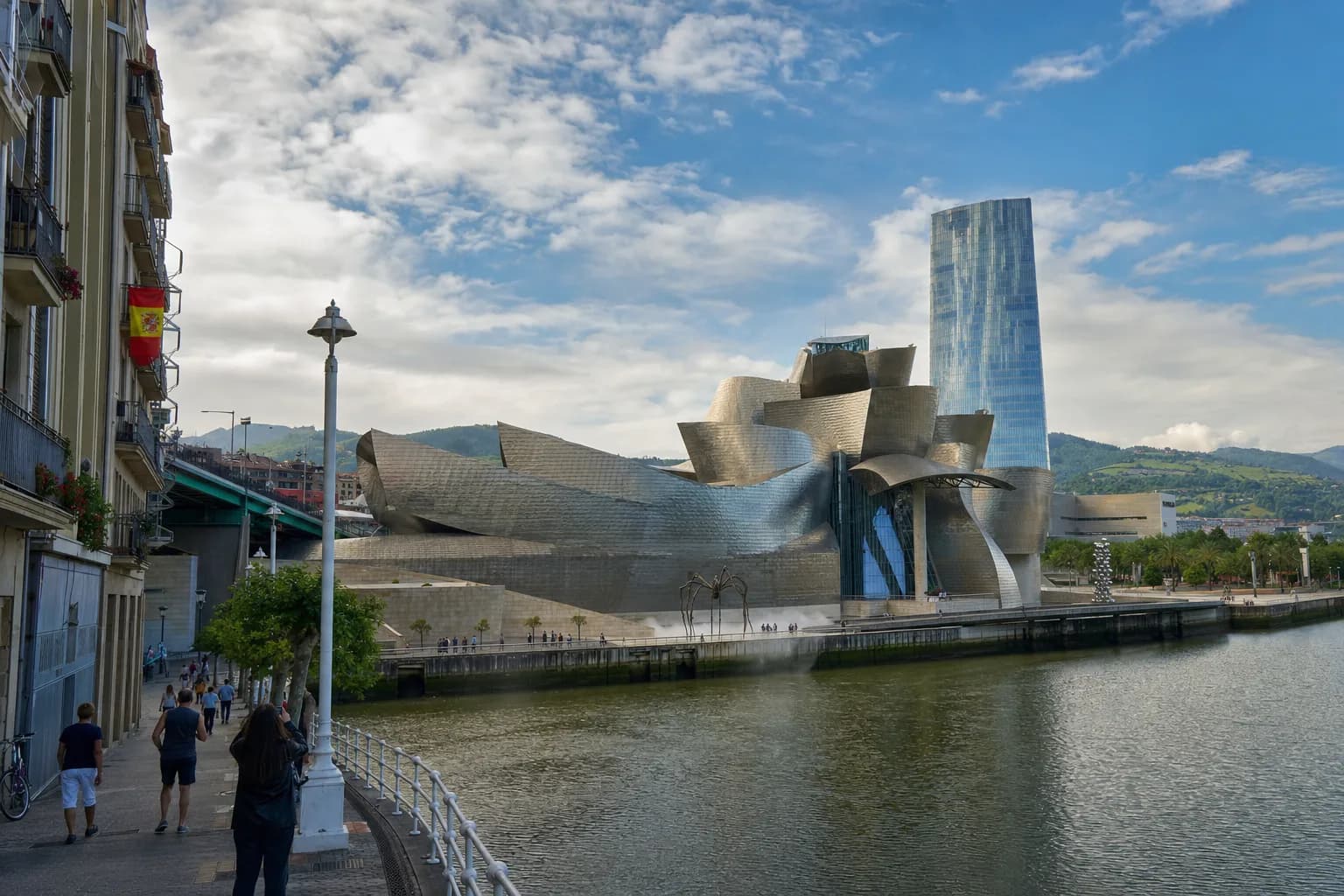 Bilbao Travel Guide & Money-Saving TipsOpen hub →
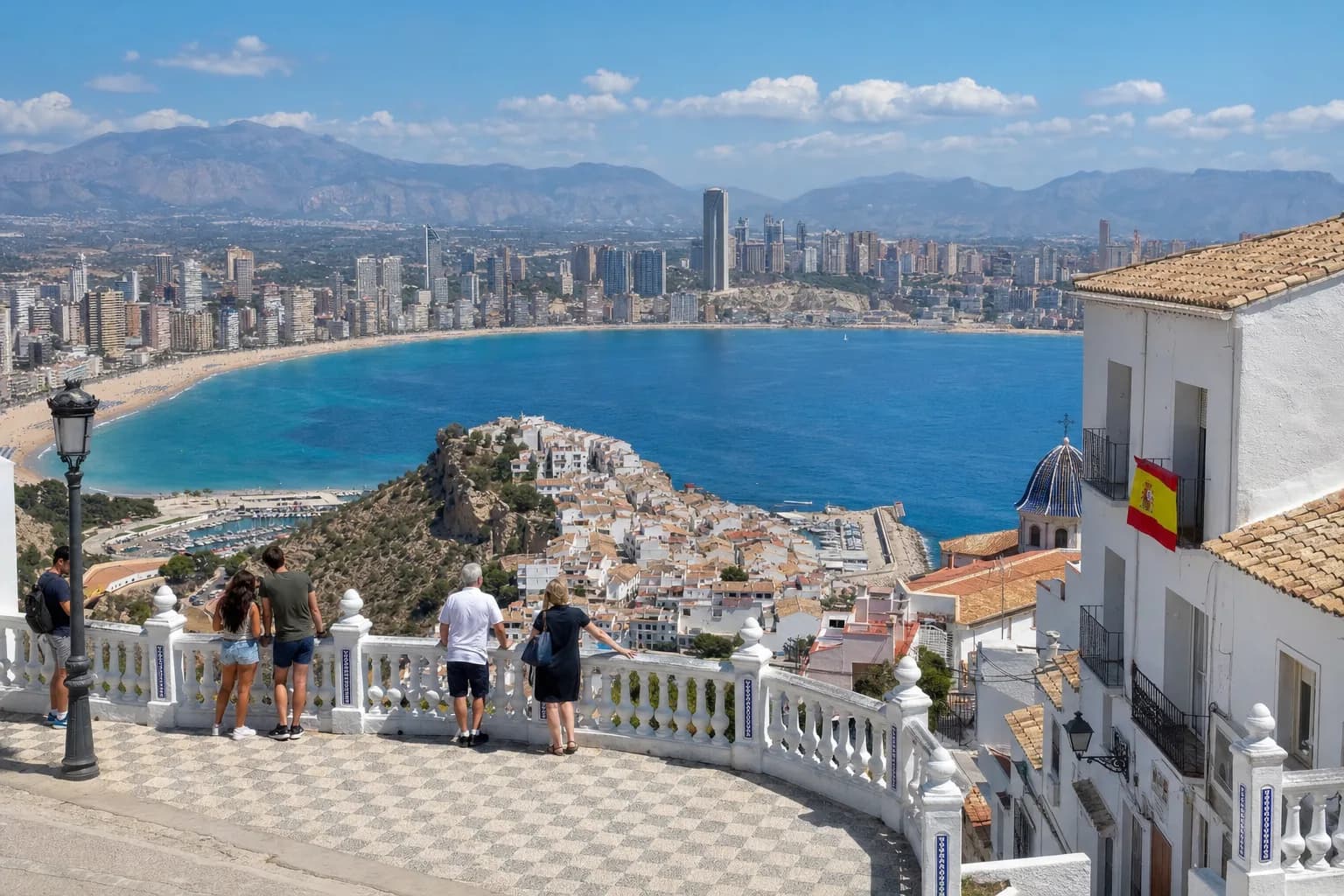 Benidorm Travel Guide & Money-Saving TipsOpen hub →
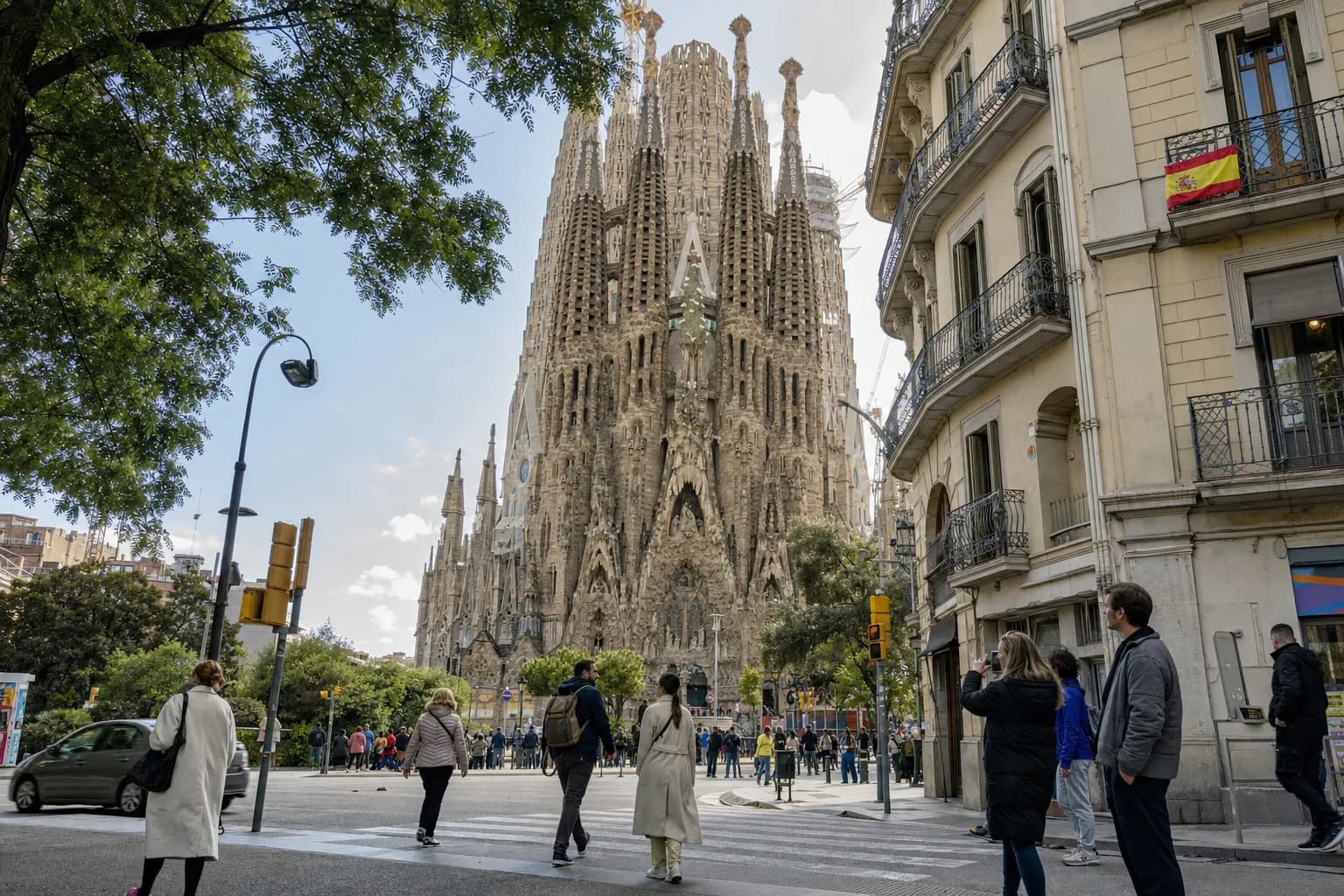 Barcelona Travel Guide & Money-Saving TipsOpen hub →
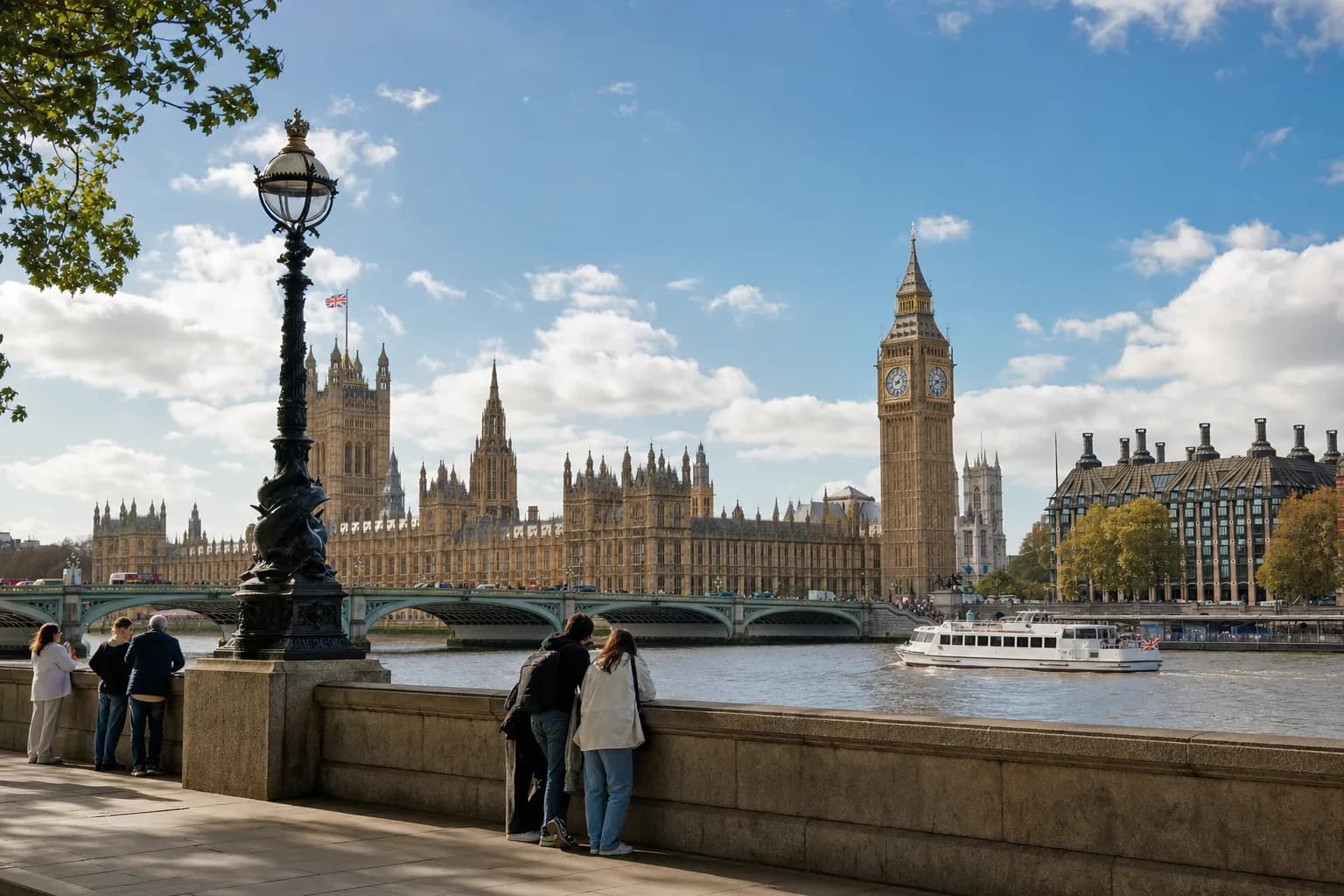 United KingdomOpen hub →
 Thailand Travel Guide: Where to Go & How to SaveOpen hub →
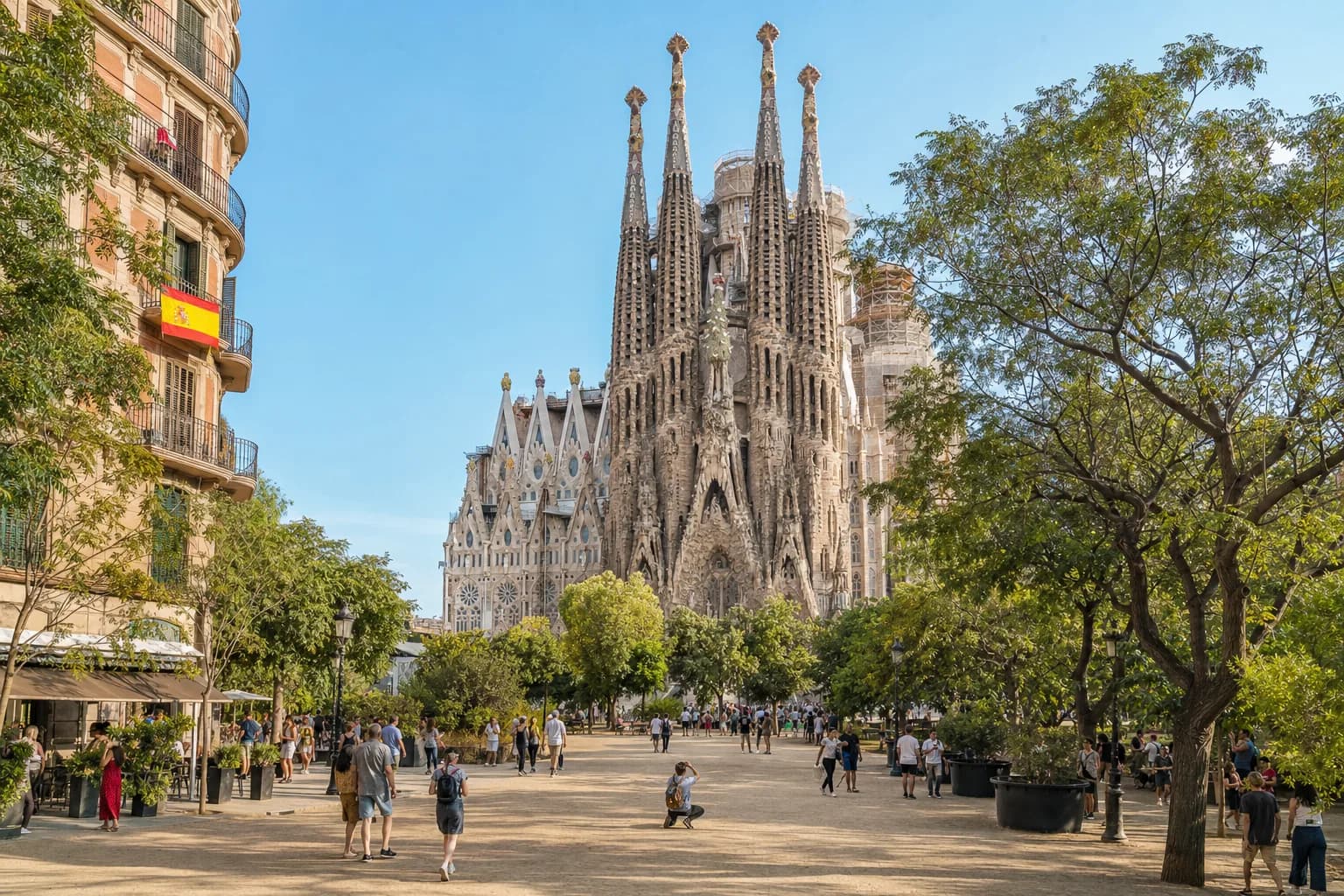 Spain Travel Guide: Where to Go & How to SaveOpen hub →
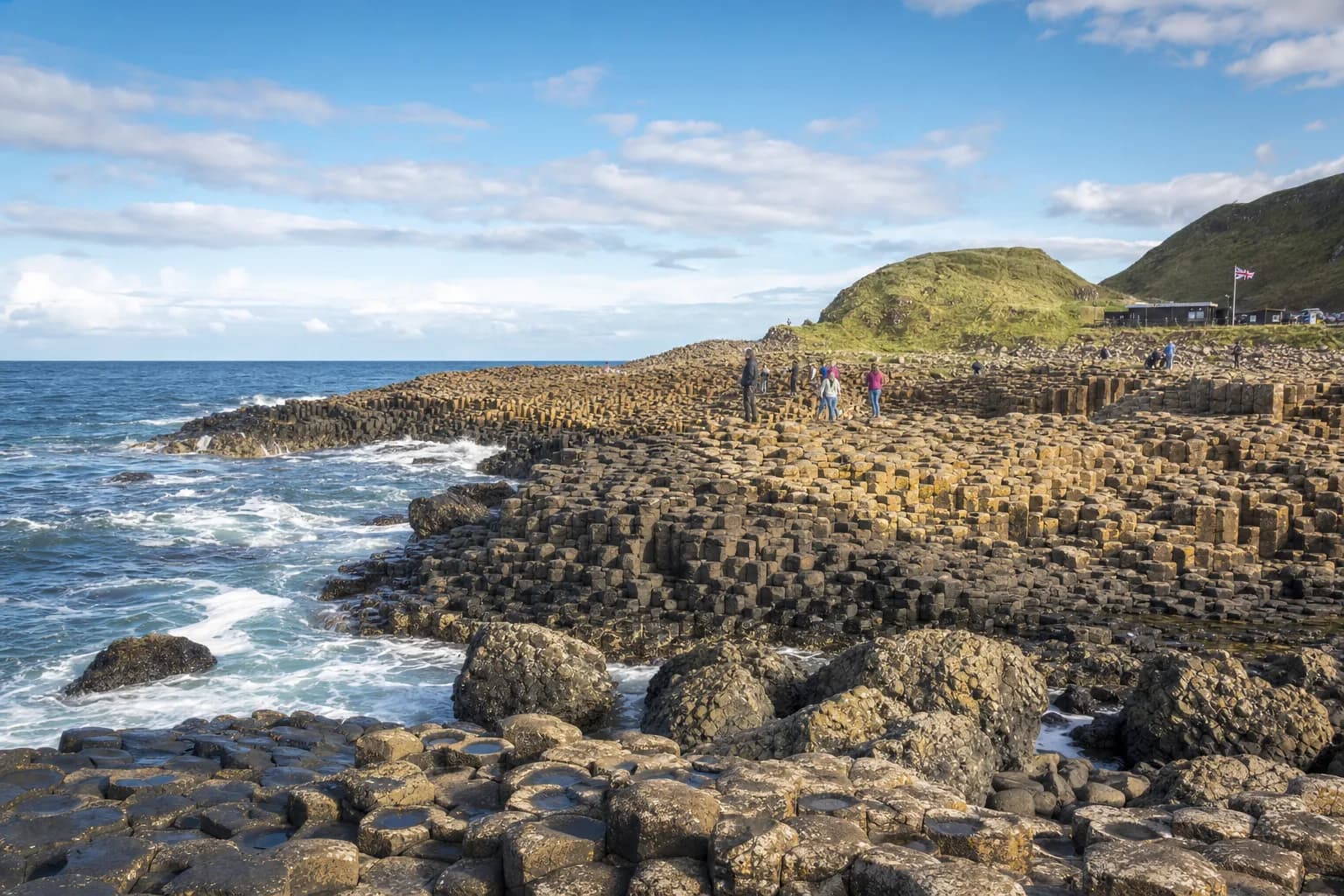 Northern Ireland Travel Guide: Where to Go & How to SaveOpen hub →