Cool and dry season
GreatNov – Feb
Clear, comfortable days bring peak hotel prices and the largest crowds, especially around Christmas and the Flower Festival.
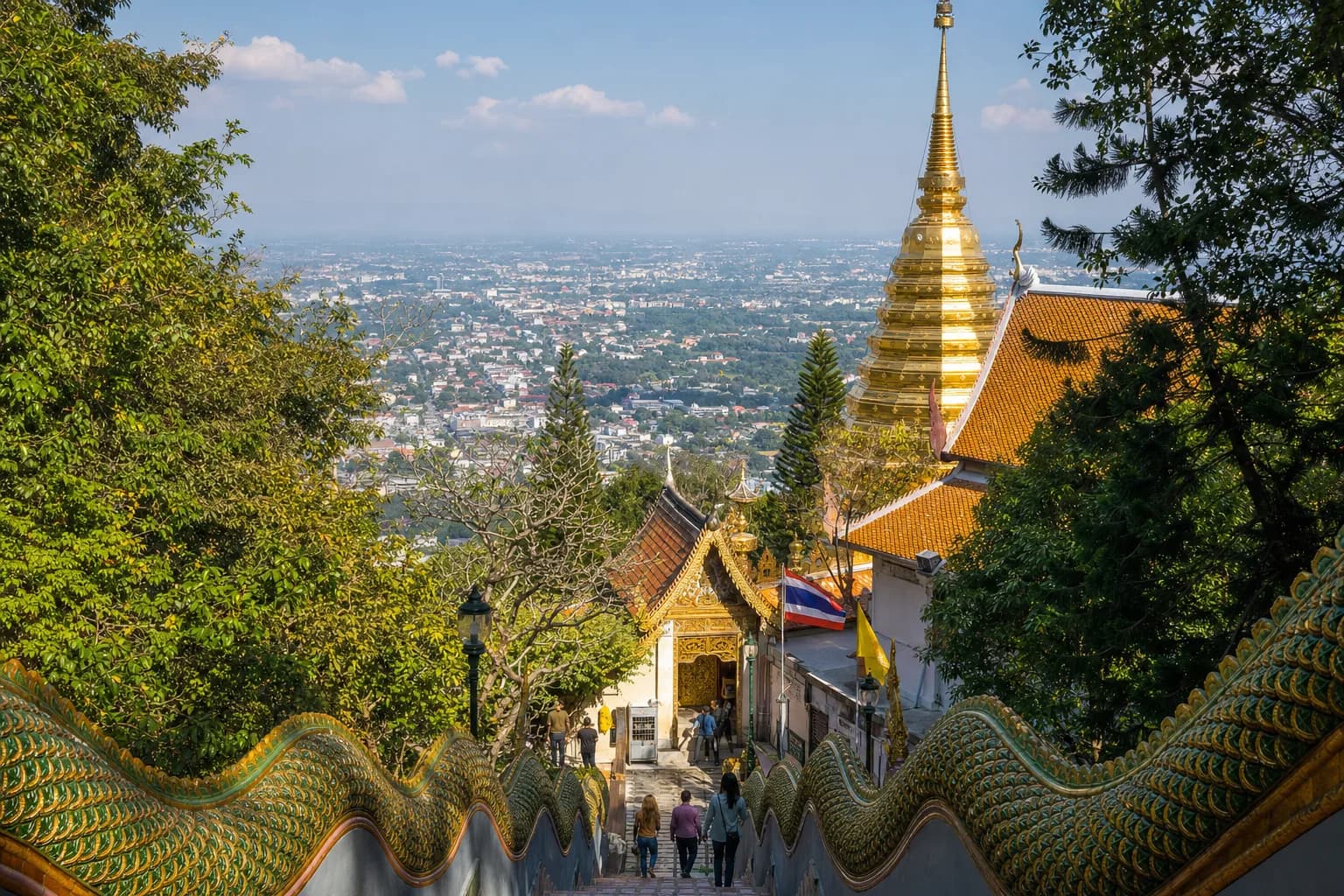
Plan Chiang Mai around its temples, northern food and mountain trips, with clear seasonal advice and practical ways to spend less.
If you’re thinking about Chiang Mai, go hungry. The city’s northern food culture is reason enough to come, especially for a bowl of khao soi from an old-school shop such as Khao Soi Khun Yai or Lam Duan Fahrm.
Then take a morning up to Wat Phra That Doi Suthep, where the naga staircase leads to a gold chedi and broad views across the city. Back inside the moat, Wat Chedi Luang and Wat Phra Singh make temple-hopping easy on foot, with plenty of good stops for food between them.
This hub brings together what to know before going to Chiang Mai and how to save money while still getting the most out of the trip.
Good to know
Weather, prices, crowds and the events worth travelling for.
Cool and dry season
GreatNov – Feb
Hot season
GoodMar – Apr
Green season
GoodMay – Oct
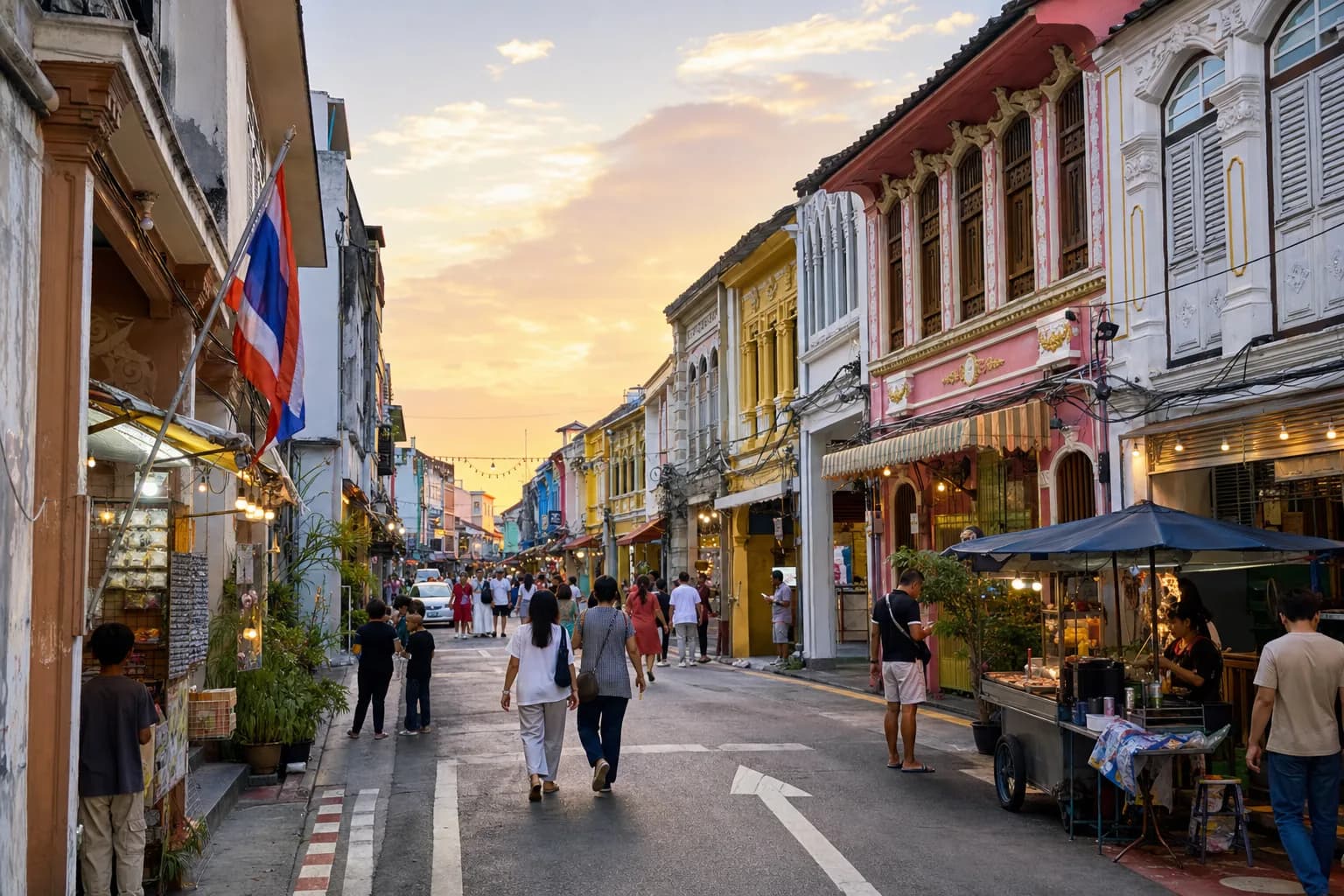 Phuket Travel Guide & Money-Saving TipsOpen hub →
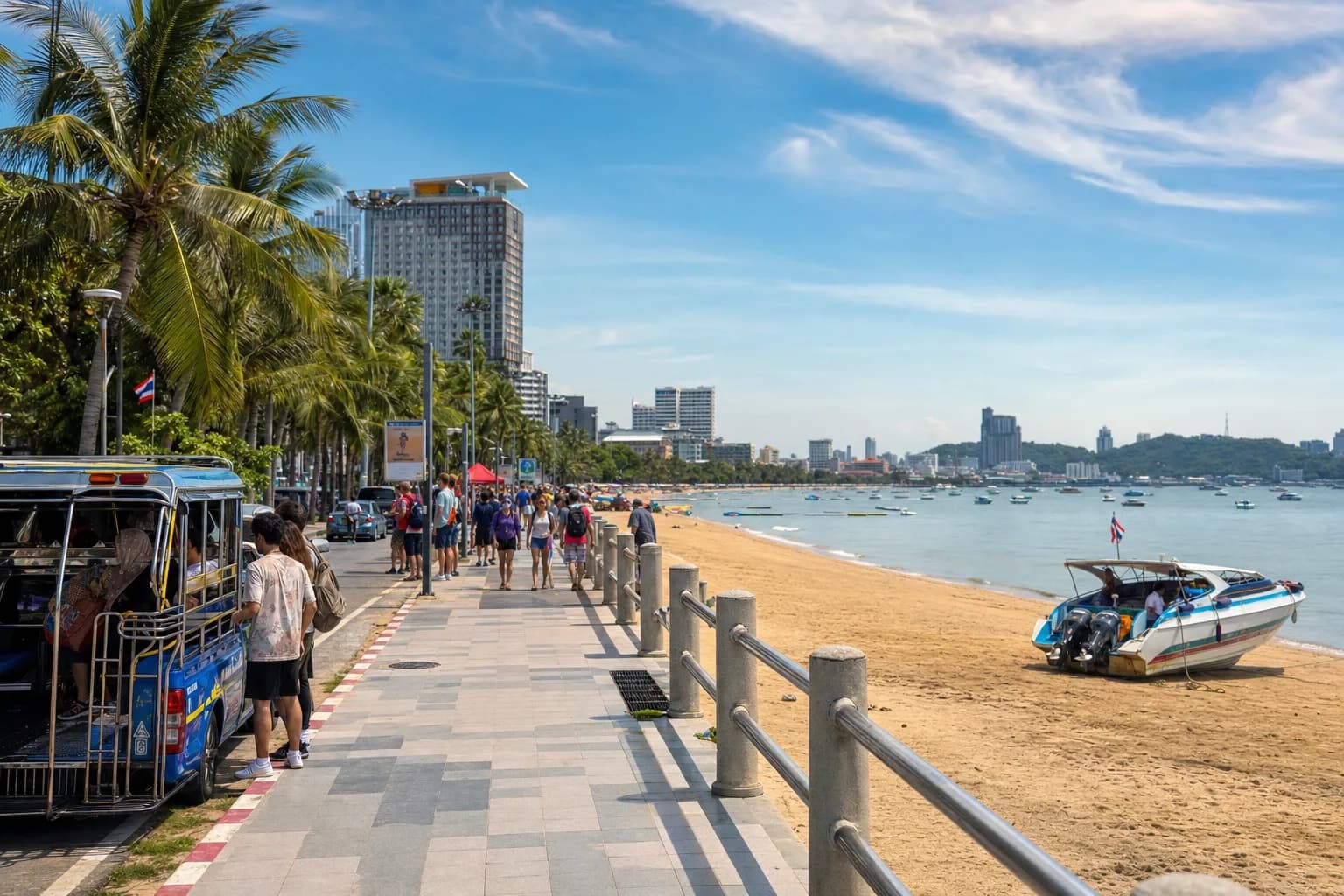 Pattaya Travel Guide & Money-Saving TipsOpen hub →
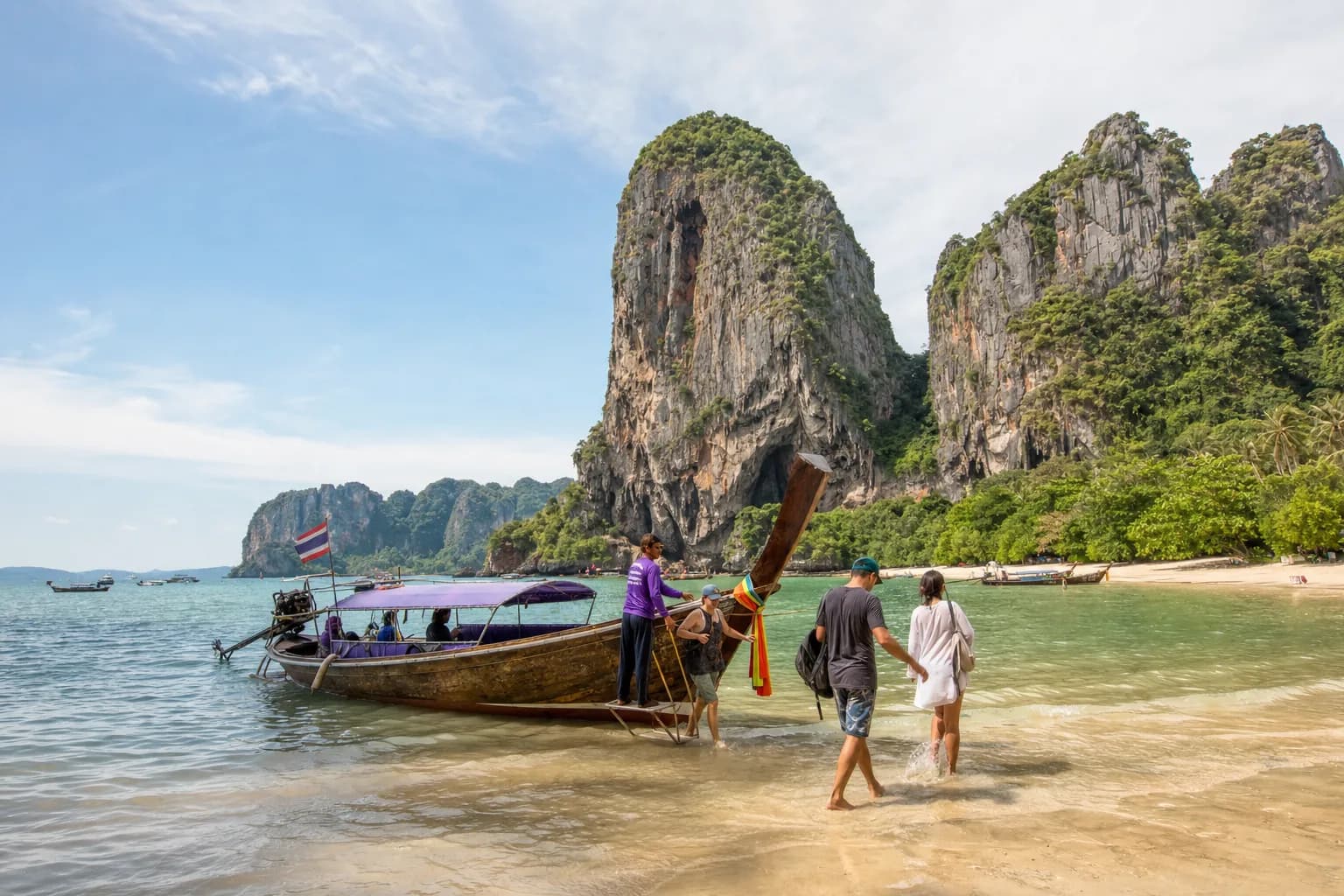 Krabi Travel Guide & Money-Saving TipsOpen hub →
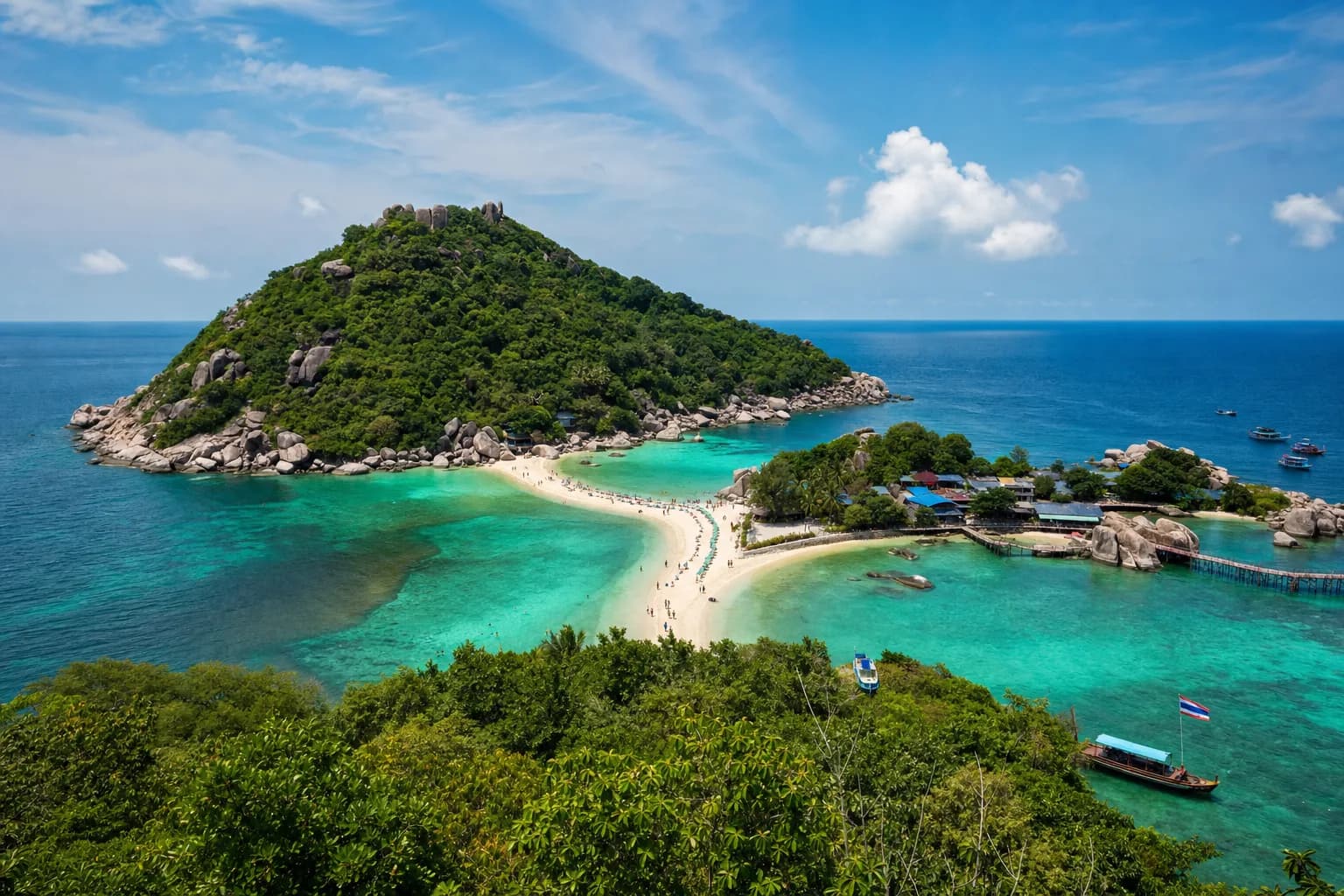 Koh Tao Travel Guide & Money-Saving TipsOpen hub →
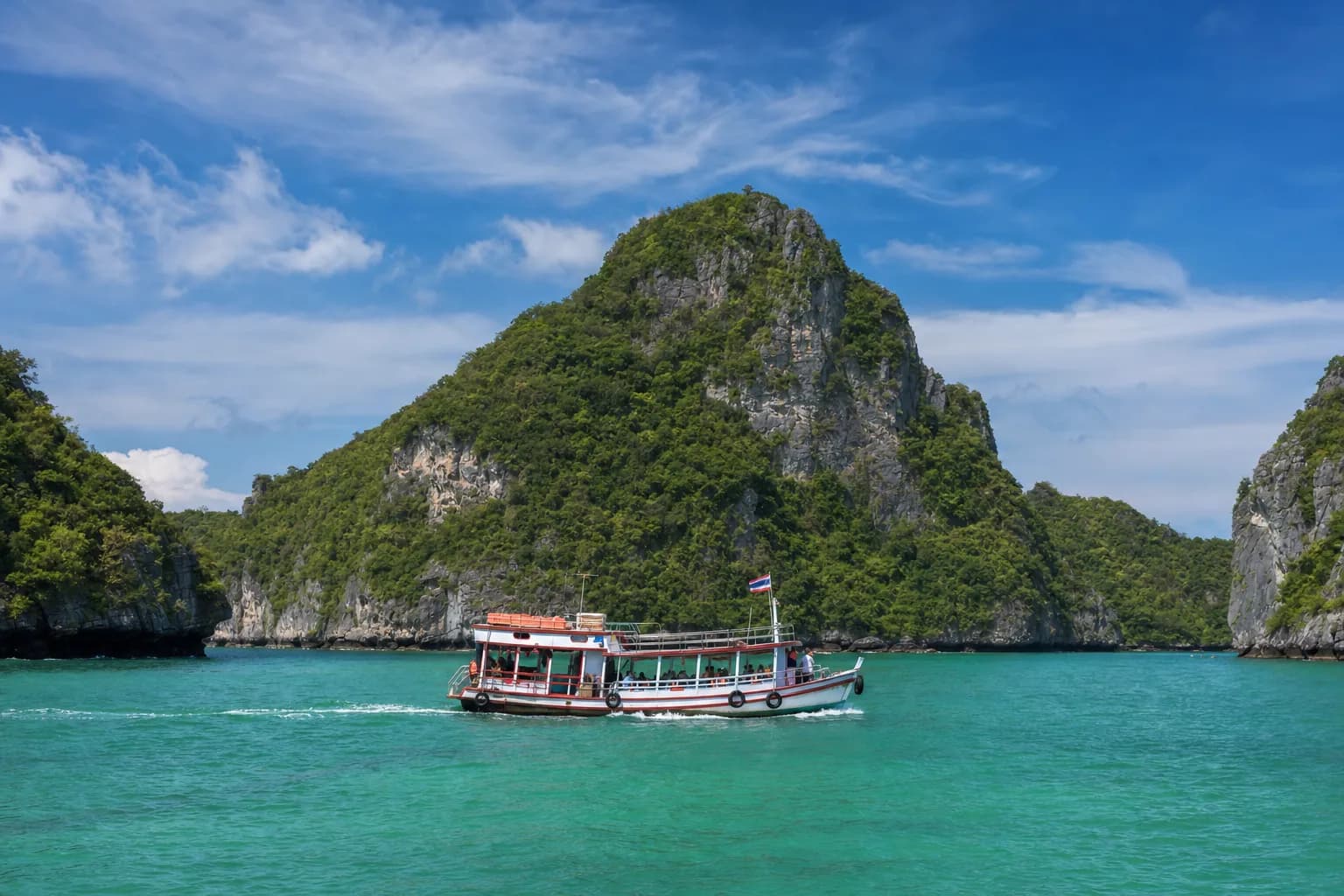 Koh Samui Travel Guide & Money-Saving TipsOpen hub →
 Koh Phangan Travel Guide & Money-Saving TipsOpen hub →
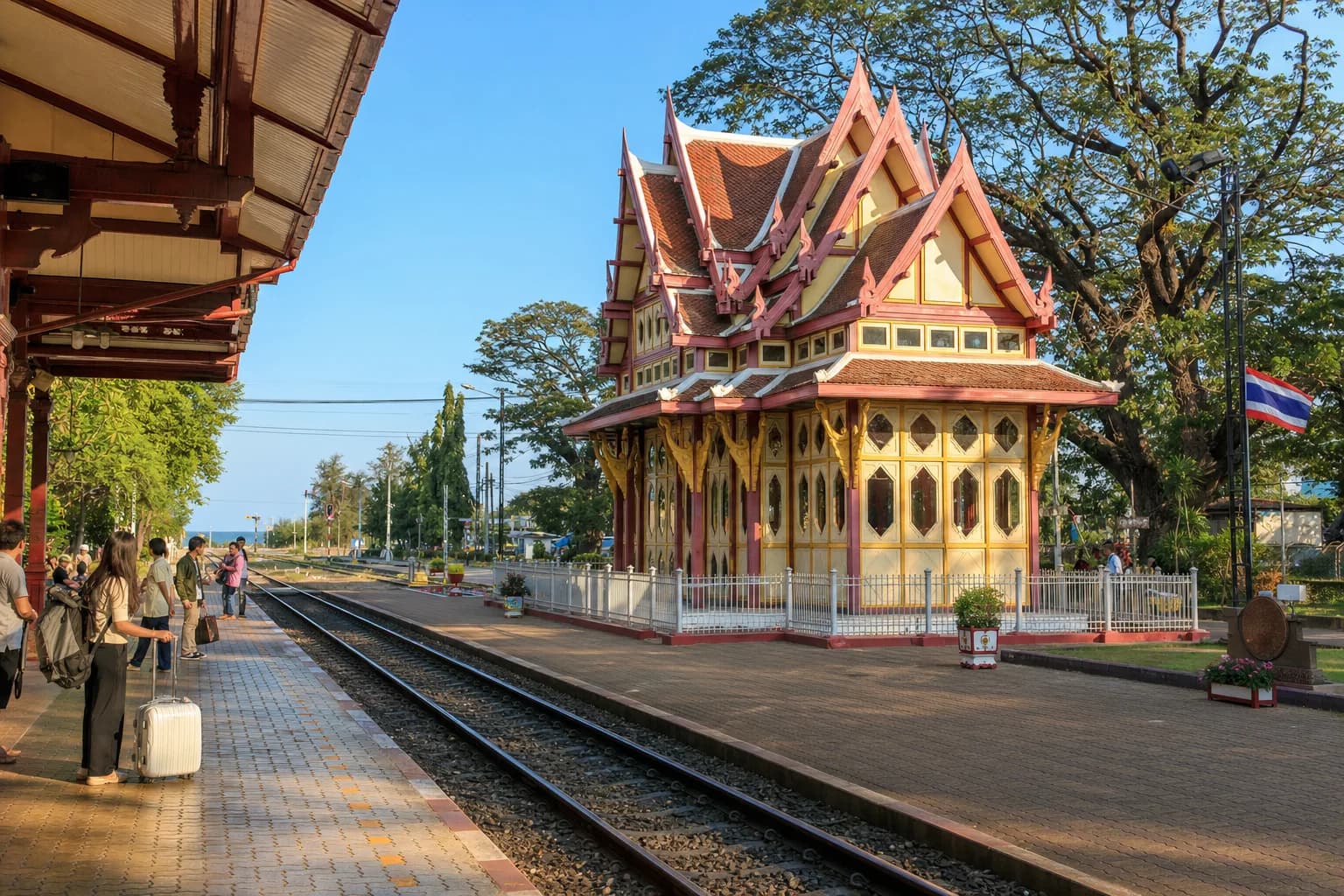 Hua Hin Travel Guide & Money-Saving TipsOpen hub →
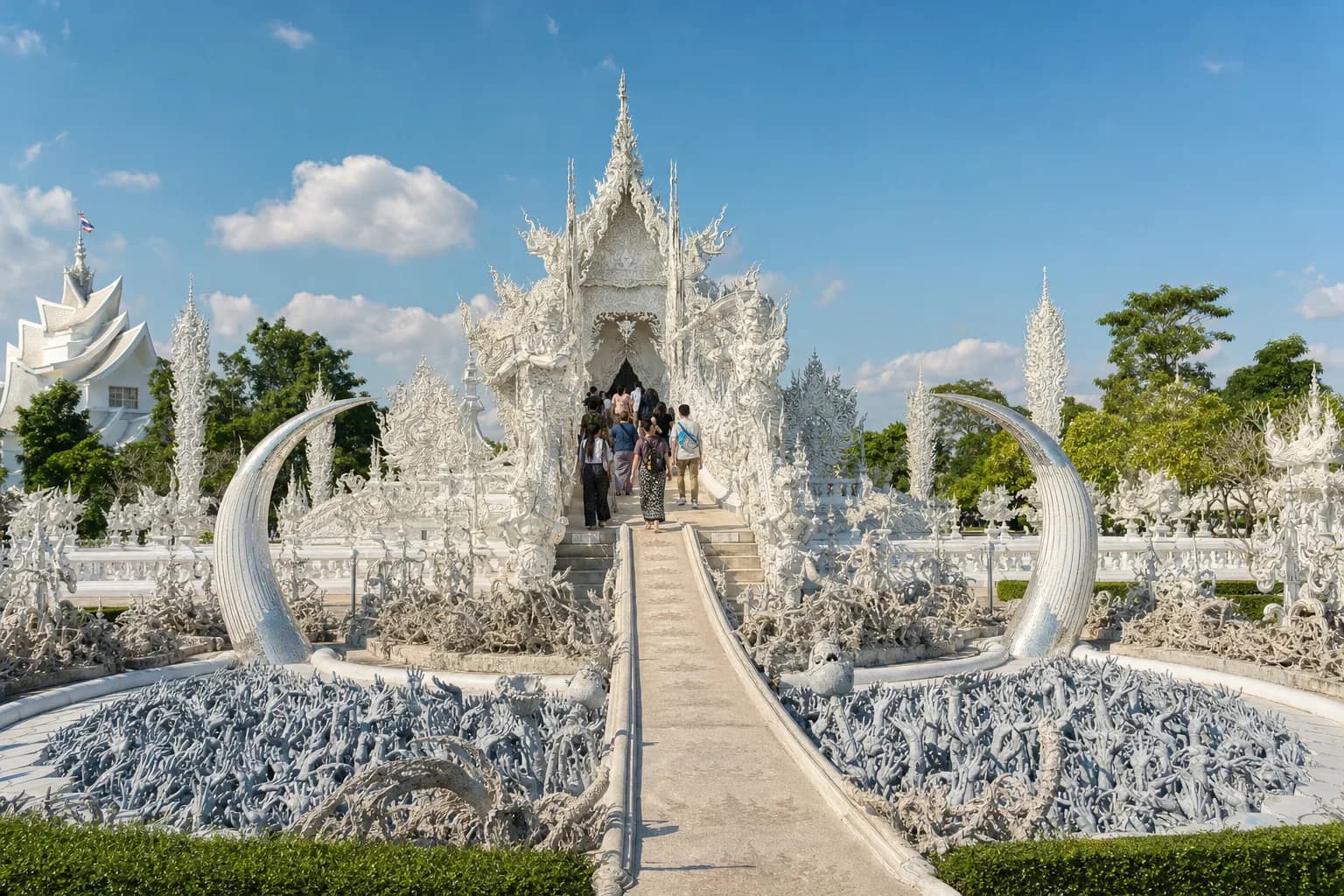 Chiang Rai Travel Guide & Money-Saving TipsOpen hub →
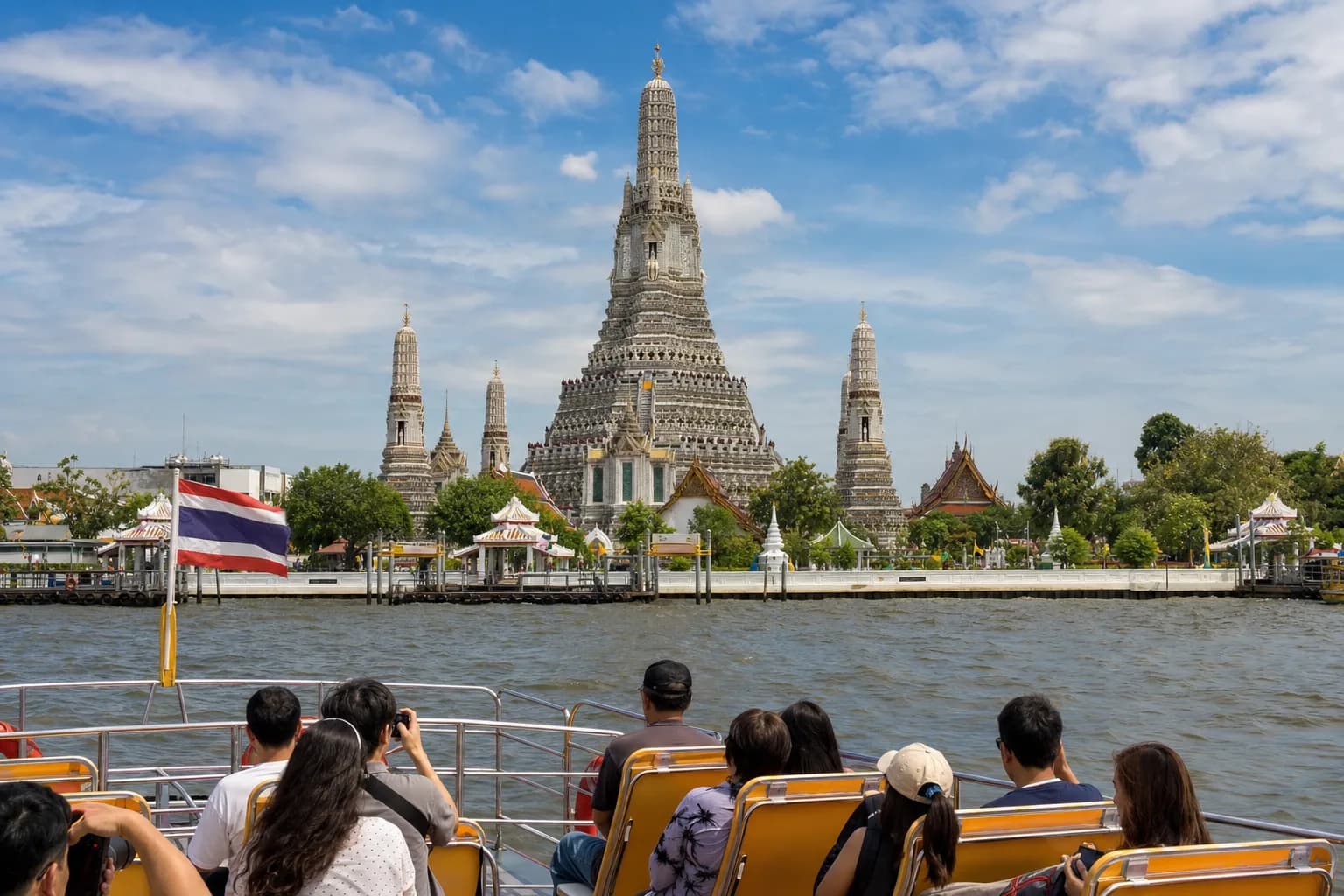 Bangkok Travel Guide & Money-Saving TipsOpen hub →
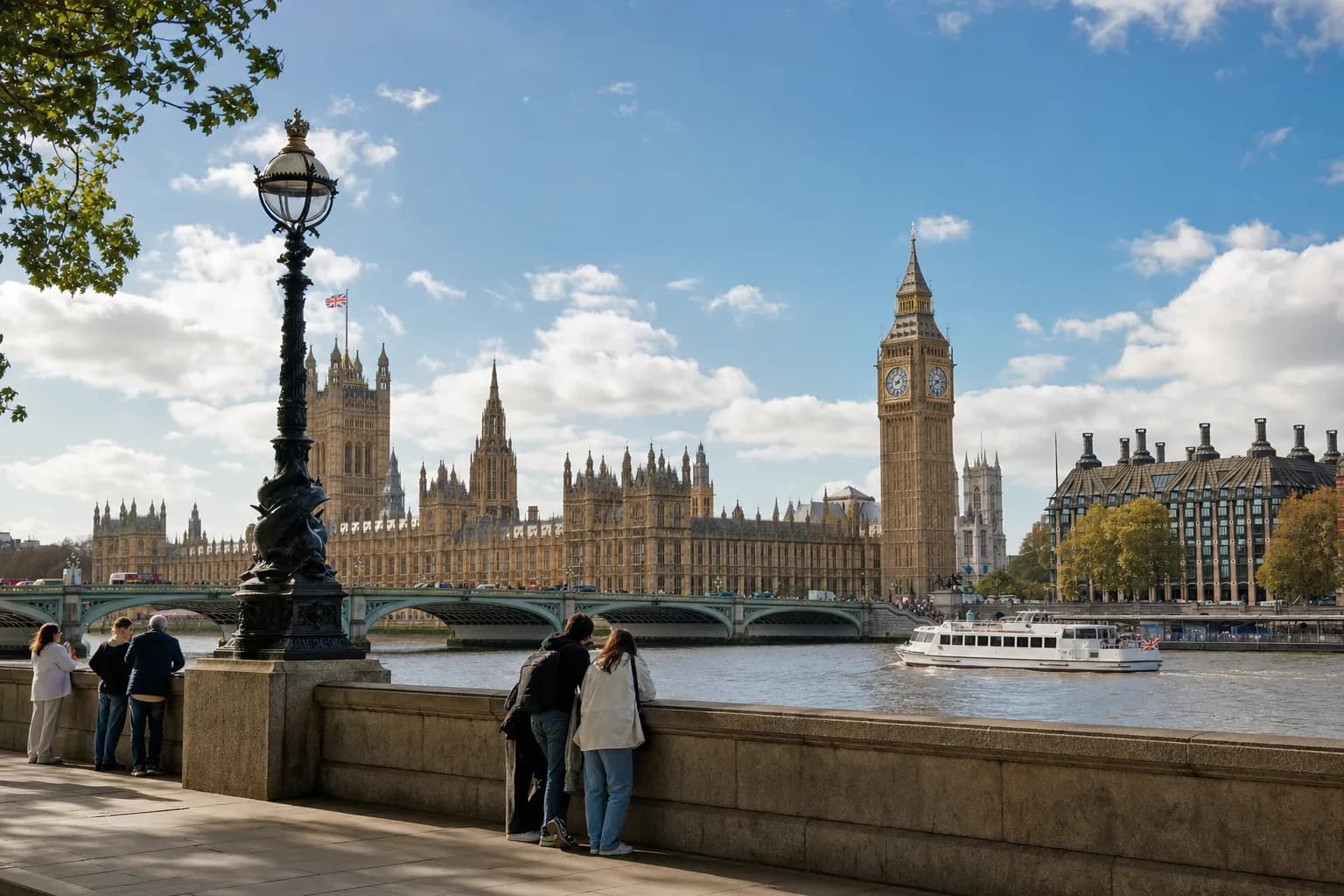 United KingdomOpen hub →
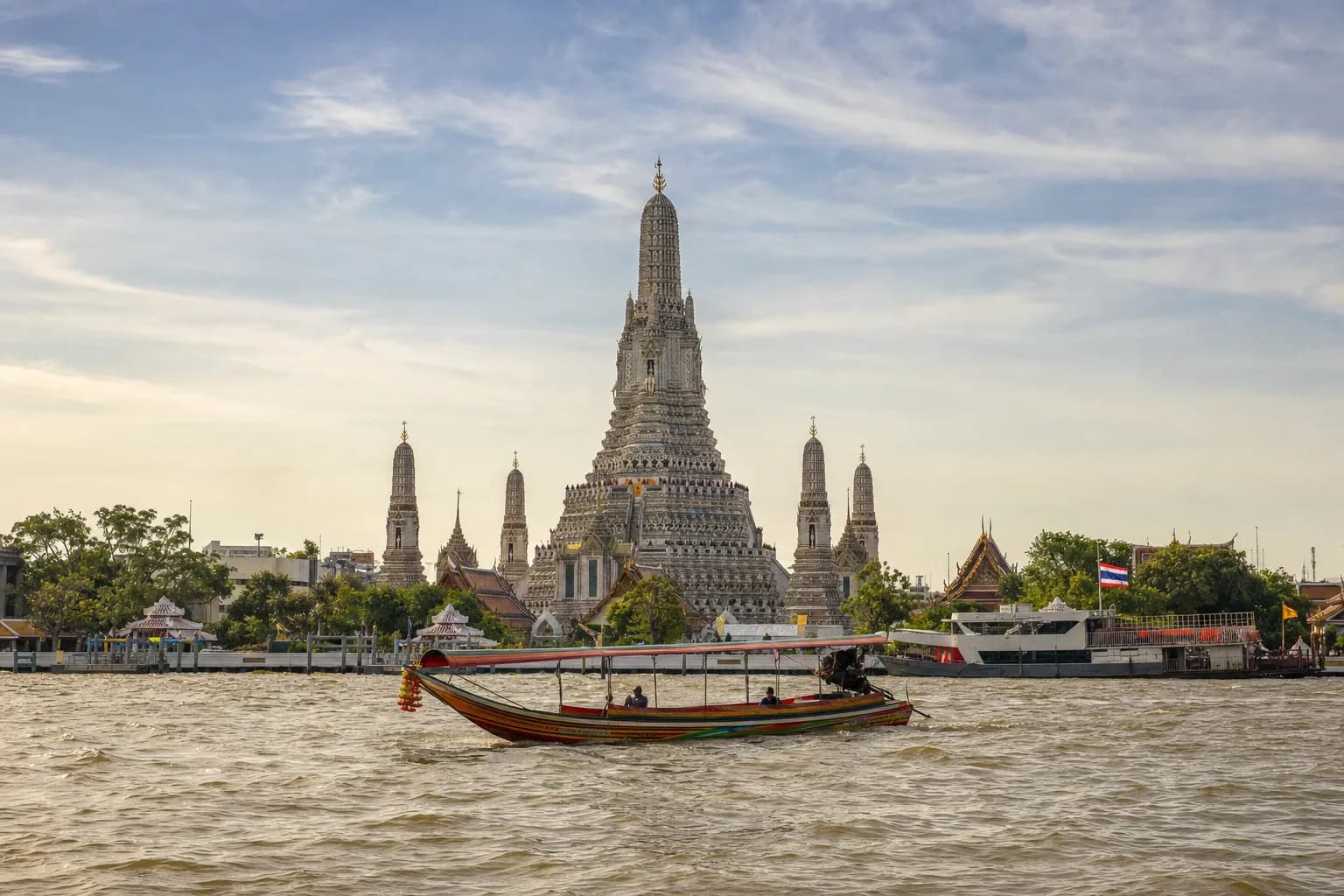 Thailand Travel Guide: Where to Go & How to SaveOpen hub →
 Spain Travel Guide: Where to Go & How to SaveOpen hub →
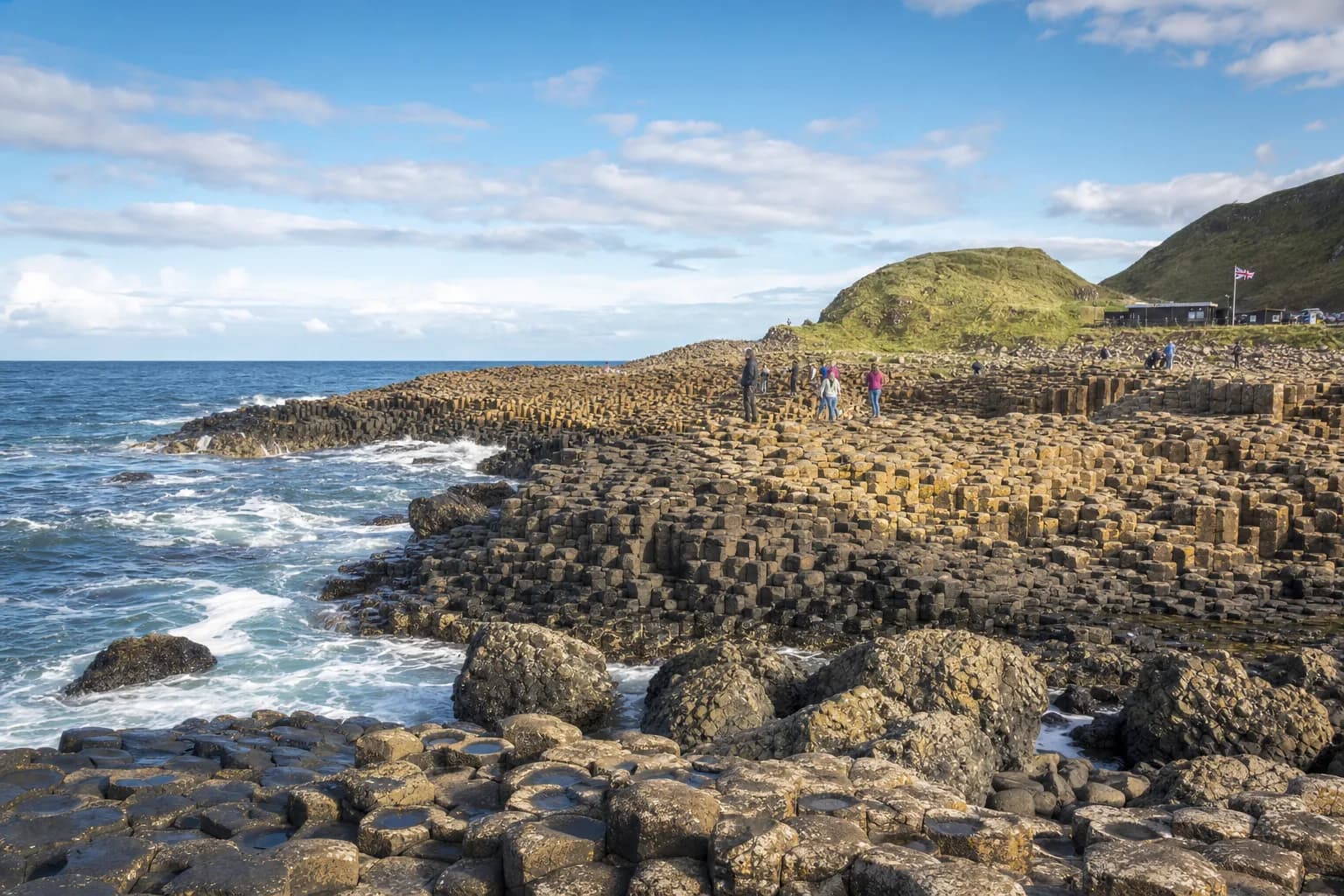 Northern Ireland Travel Guide: Where to Go & How to SaveOpen hub →